


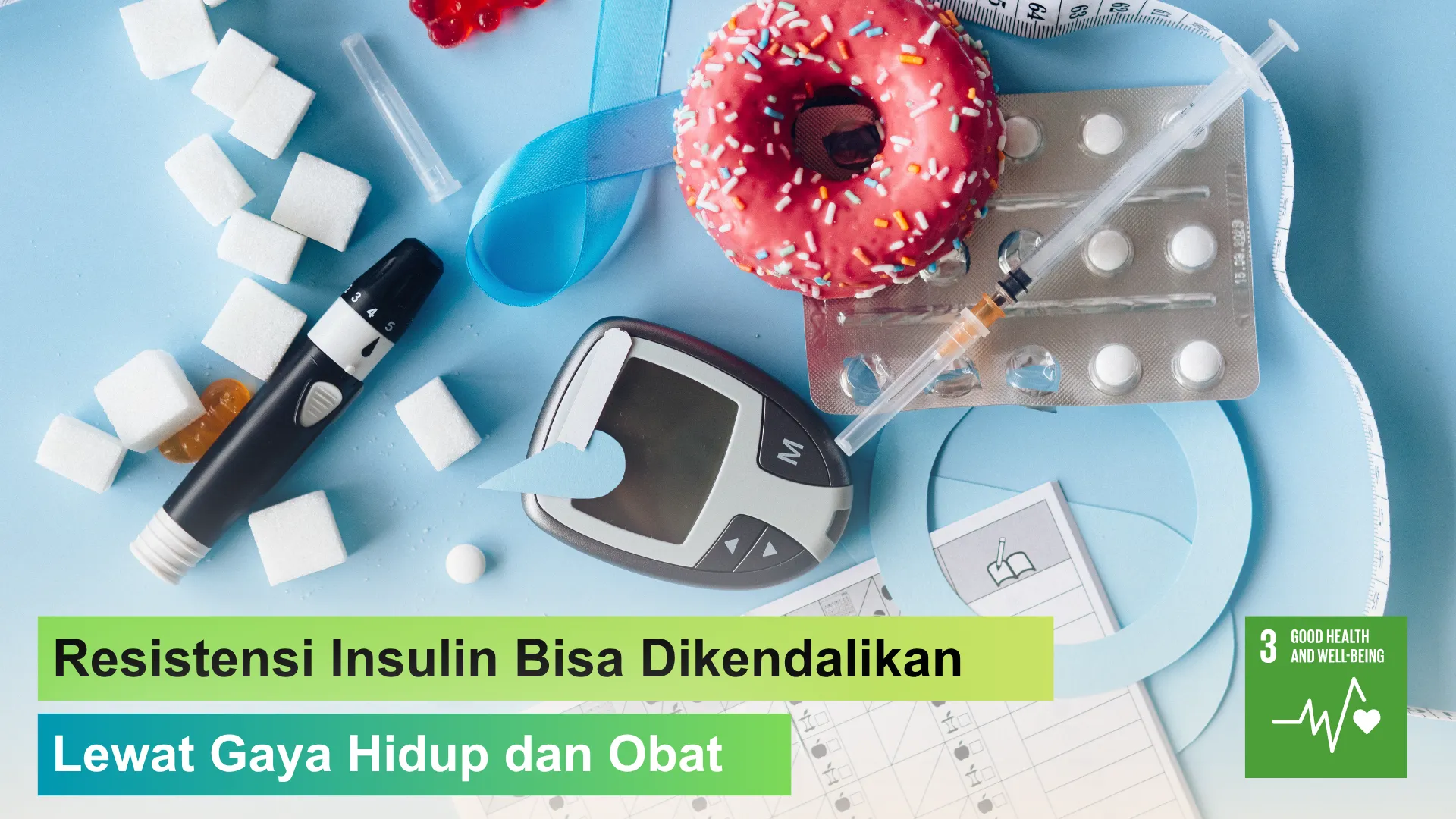
Insulin resistance is a condition in which the body's cells do not respond properly to insulin. As a result, blood sugar levels rise, and the pancreas must produce more insulin. According to this study, the condition can progress to type 2 diabetes mellitus within 10 to 15 years and increase the risk of metabolic syndrome and heart disease. The study also states that the prevalence of type 2 diabetes in Indonesia increased from 6.9 percent in 2013 to 8.5 percent in 2018, based on Riskesdas. Risk factors include older age, obesity, a sedentary lifestyle, poor sleep patterns, and family history.
Lifestyle Plays a Major Role, but the Evidence Varies
The researchers consider lifestyle changes to be the primary approach. Several interventions have shown improvements in insulin sensitivity, as measured by the HOMA-IR index. A ketogenic diet was studied in 14 overweight women with polycystic ovary syndrome over 12 weeks. Their average body weight decreased by 9.43 kilograms, and HOMA-IR decreased from 2.85 to 2.32. However, this was a small study involving a group without type 2 diabetes, and the diet also included phytoextract supplements, making it impossible to separate the effects of the diet from those of the supplements.
For a plant-based diet combined with aerobic exercise, a meta-analysis reported a reduction in HOMA-IR, with a mean difference of -0.75 (95% CI -1.08 to -0.42). Regular exercise was also associated with improved insulin sensitivity. The study recommends moderate to vigorous physical activity for at least 150 minutes per week, spread over at least three days. CPAP therapy for people with type 2 diabetes and obstructive sleep apnea also showed a reduction in HOMA-IR, with a difference of -1.05 across three randomized trials involving 202 participants. This result applies to a specific group with sleep disorders, not to all people with diabetes.
Metformin Remains the First Choice
In pharmacological treatment, metformin remains the most commonly prescribed first-line medication. It works by reducing glucose production in the liver and improving insulin sensitivity. The study states that adding other medications should be considered if blood glucose targets have not been achieved after approximately three months. The additional options mentioned include DPP-4 inhibitors, GLP-1 agonists, and SGLT2 inhibitors.
Metformin also has drawbacks. Side effects such as nausea, diarrhea, and abdominal pain are frequently reported, and medication adherence remains a challenge. Therefore, combining medications with different mechanisms of action is often necessary.
One comparison in the study showed that, among women with polycystic ovary syndrome, metformin reduced HOMA-IR by 25.0 percent over four months. Real acupuncture reduced it by 14.7 percent, while sham acupuncture reduced it by 8.6 percent. Metformin was more effective, but gastrointestinal side effects occurred more frequently in the metformin group.
Issues That Require Caution
The study also highlights two issues that require caution. First, statins, which are cholesterol-lowering medications, should be considered carefully because several meta-analyses indicate that statins may slightly increase the risk of diabetes. Nevertheless, statins are still recommended for preventing heart disease in people with diabetes. Second, the combination of rapamycin and metformin appears promising, but this evidence comes from studies in rats. The findings cannot yet be directly applied to humans.
Implications for Patients and Policy
For patients, the main message is that insulin resistance should be managed comprehensively by changing dietary habits, exercising regularly, and following the treatment recommended by a doctor. Treatment decisions should be discussed with a doctor according to each patient's individual condition. For policymakers, these findings highlight the importance of affordable programs, such as lifestyle education provided by community health workers and digital services for patient monitoring, particularly in areas with limited resources.
Research Key Points:
Reviewed the management of insulin resistance through antidiabetic medications and non-pharmacological interventions. Searches were conducted in PubMed and Google Scholar for studies published between 2018 and 2023, with the selection process following PRISMA 2020.
Of the 36,344 initial records, 20 studies were included, consisting of 5 reviews, 2 systematic reviews and meta-analyses, and 13 randomized clinical trials, according to the manuscript. Interventions included ketogenic diets, plant-based diets, aerobic and structured exercise, CPAP for people with sleep apnea, and electroacupuncture.
HOMA-IR reduction with a mean difference of -0.75 (95% CI -1.08 to -0.42). HOMA-IR reduction of -1.05 in people with type 2 diabetes and obstructive sleep apnea.
Metformin remains the first-line medication. Combination therapy is considered if treatment targets are not achieved.
Author
Khairul Azmi
Resource Person/Researcher
Prof. Dr. dr. Rina Amelia, MARS, Sp.KKLP