


The Faculty of Medicine of Universitas Sumatera Utara(FK USU) was established in 1952, making it the first and oldest faculty at Universitas Sumatera Utara. FK USU is one of the best and most favored medical faculties in Indonesia, ranking 11th among the Best Medical Faculties according to The Asia University Ranking 2022. Our mission is to produce professional health workers who are highly qualified and ethically motivated as well as knowledgeable, innovative, and responsive to societal needs. We are a medical faculty that offers our students high-quality education, personalized attention, and interactive learning experiences. We invite our students and prospective students to join us in the journey of development and exploration of the importance of continuous learning and development as human beings, especially in the field of medicine.

Faculty Leaders


Prof. Dr. dr. Aldy Safruddin Rambe, Sp.S(K)
Dean
of Faculty of Medicine
Dean of the Faculty of Medicine
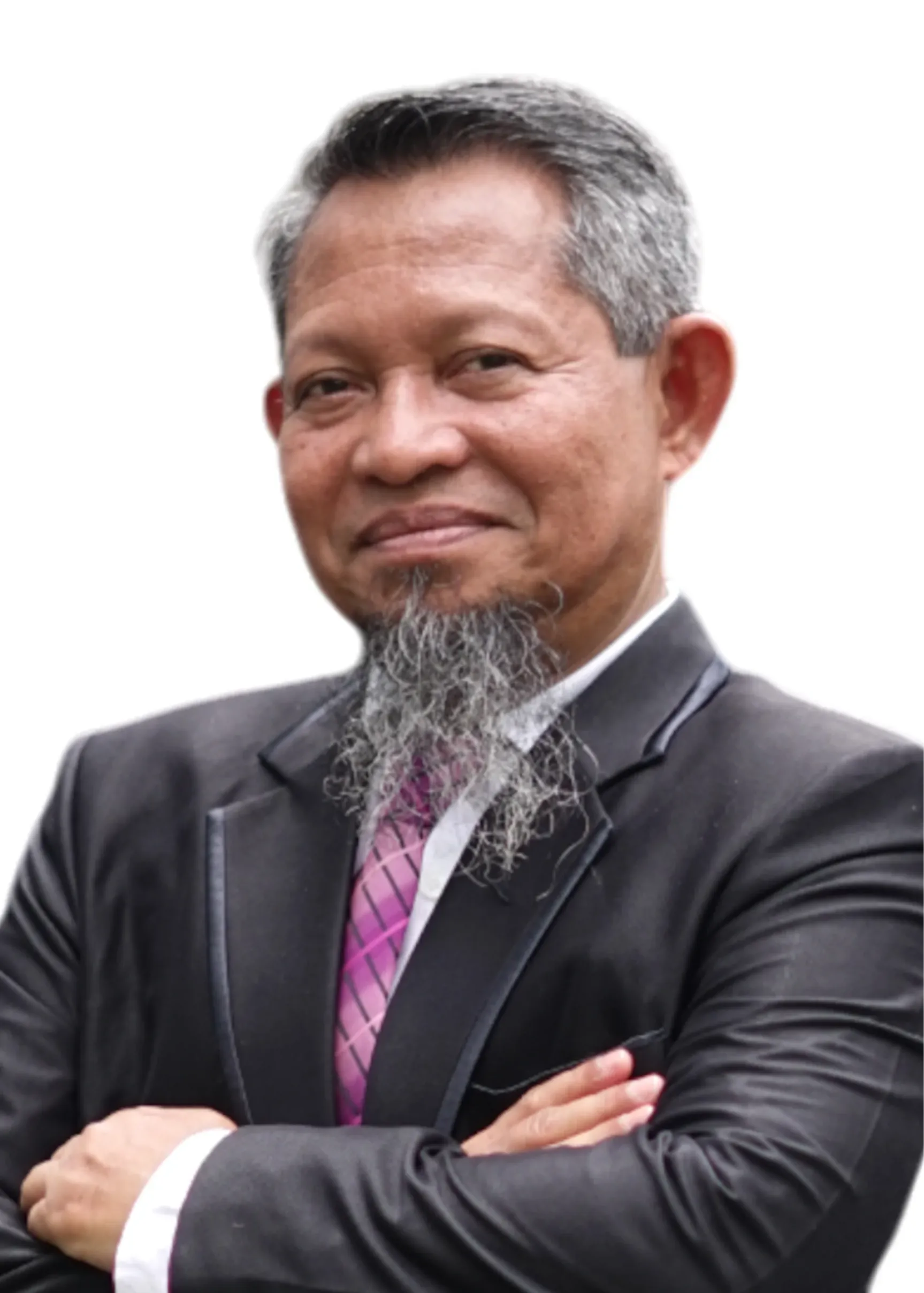
Dr. dr. Delyuzar, M.Ked(PA), Sp.PA(K)
Vice Dean for Academic Affairs, Student Affairs and Alumni of the Faculty of Computer Science and Information Technology Faculty of Medicine
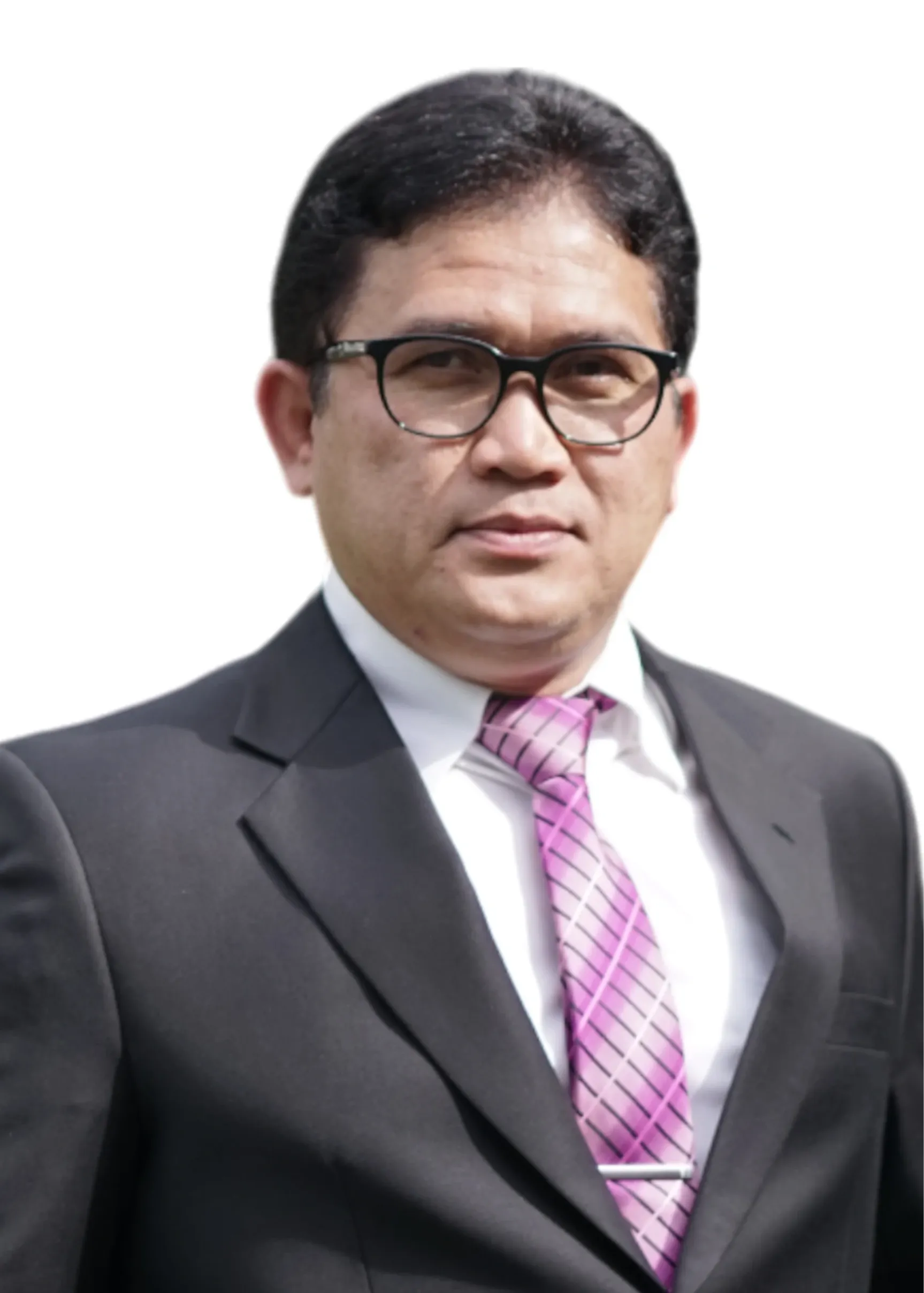
Dr. dr. Muara Panusunan Lubis, M.Ked(OG), Sp.O.G, Subsp.K.Fm
Vice Dean for Administration, Finance, Human Resources and Assets of the Faculty of Computer Science and Information Technology Faculty of Medicine

dr. Inke Nadia Diniyanti Lubis, PGDip PID, FAAET, M.Ked(Ped), Sp.A, Ph.D
Vice Dean for Research, Community Service, Cooperation and Information of the Faculty of Computer Science and Information Technology Faculty of Medicine
Vision and Mission
Vision
To realize the Faculty of Medicine of Universitas Sumatera Utara as a quality medical education institution by 2024, towards a center of excellence for tropical medicine and preventive oncology in Southeast Asia in support of the vision of Universitas Sumatera Utara to become an educational institution with competitive excellence fields of TALENTA.
Mission
- To realize an independent and professional faculty in the management and development of institutions and build cooperation with other institutions at national and international levels, especially in the fields of tropical medicine and preventive oncology.
- To enhance the quality of education, research, and community service consistently, effectively, and efficiently, in accordance with the advancements in medical science and technology, with good faculty governance and a good quality assurance system. To produce graduates who become agents of change as a force of modernization in the lives of the wider society, who have scientific competence, relevance, and strong competitiveness as well as professional and ethical intellectual behavior within the framework of interprofessional education/collaboration (IPE/IPC).
- To realize public leadership through the benefits of research and community service that impacts epidemiology, especially tropical diseases and preventive oncology, which is oriented toward product and scientific development.
Human Resources
Lecturer
Other Lecturer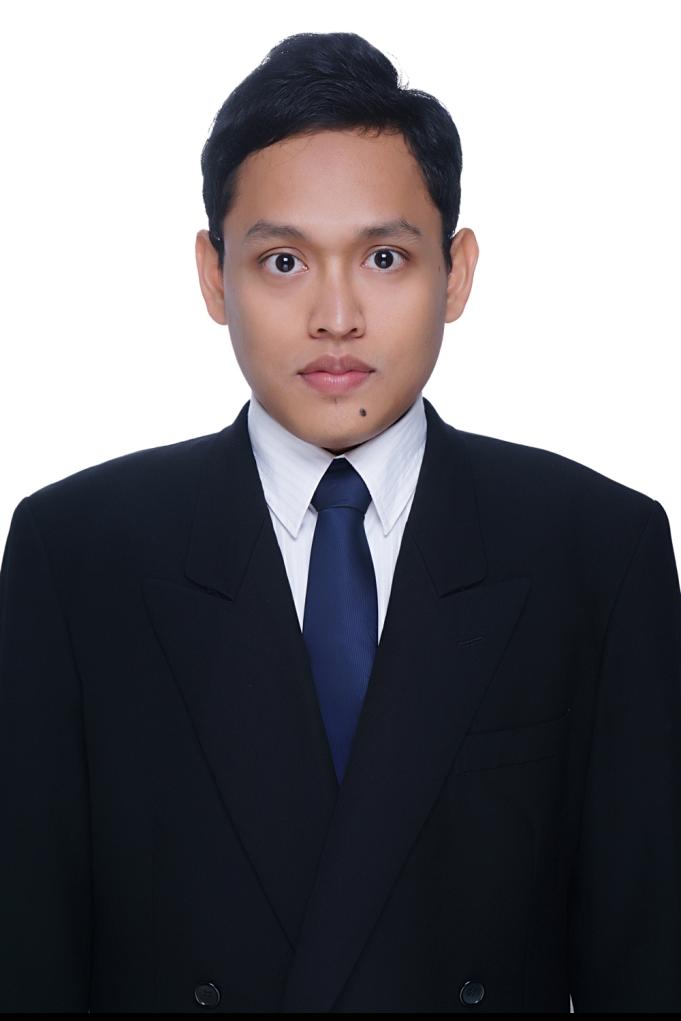 dr. Fauzi Budi Satria, MPH, Ph.D
 Dr. dr. Lidya Imelda Laksmi, M.Ked(PA)., Sp.PA(K)
 Prof. dr. Harris Hasan, Sp.PD., Sp.JP(K)
Specialist-1 Program In Cardiovascular Medicine
Prof. dr. Harris Hasan, Sp.PD., Sp.JP(K)
Specialist-1 Program In Cardiovascular Medicine
 dr. Rika Yunita, M.Ked(Ped), Sp.A
Undergraduate Program In Medicine
dr. Rika Yunita, M.Ked(Ped), Sp.A
Undergraduate Program In Medicine
 dr dr. Utama Abdi Tarigan, Sp.BP, Sp.BP
Undergraduate Program In Medicine
dr dr. Utama Abdi Tarigan, Sp.BP, Sp.BP
Undergraduate Program In Medicine


Organization Structure
