


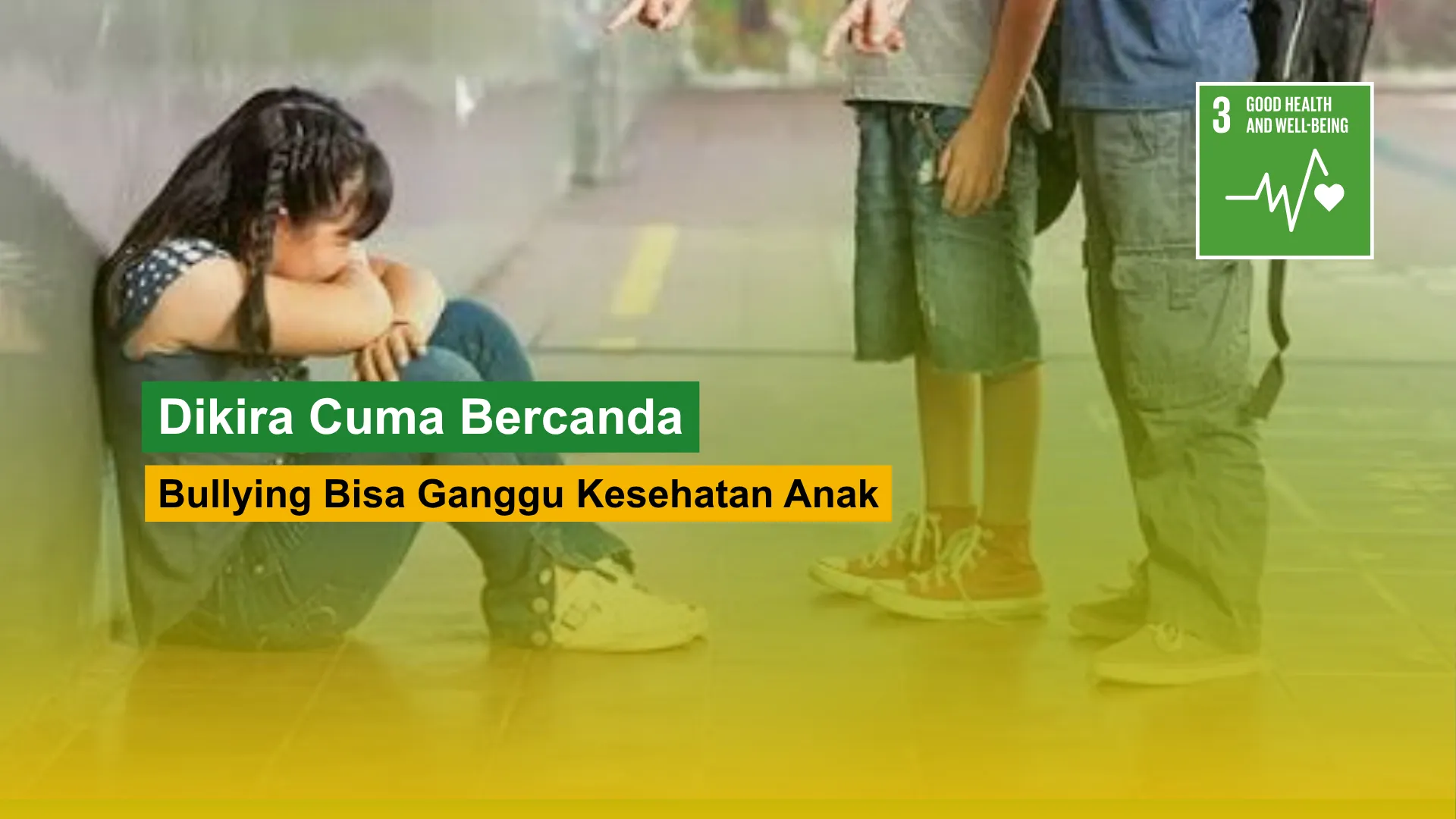
Bullying at school can make children feel afraid, stressed, or uncomfortable around their peers. Therefore, discussions about bullying should not stop at issues of behavior and friendship. Students also need to understand that feeling safe and comfortable is part of an environment that supports children's health.
During an activity at a public elementary school, Anggreiny and colleagues delivered educational materials connecting bullying prevention with children's health. The materials covered the effects of stress on the body, the immune system, infection prevention, and digestive health.
Learning Through Stories, Posters, and Discussions
The team used several methods to make the materials easy for students to understand. They delivered presentations, put up posters, screened educational films, and invited children to participate in anti-bullying songs and movements. Group discussions also gave students the opportunity to talk about mutual respect and ways to create a safer school atmosphere.
The activity was conducted in stages, starting with an introduction to rules and the values of friendship, followed by an explanation of the relationship between stress and health. The team also established anti-bullying ambassadors as part of its efforts to encourage students to help maintain a positive school environment.
Connecting a Sense of Safety with Health
The activity materials explained that pressure and stress can be related to physical conditions, including the immune system and digestive health. This message helped children understand that bullying is not only about words or actions that hurt others, but can also affect children's sense of safety and well-being.
Nevertheless, this activity was a health education and bullying prevention initiative. The team did not report examinations of students' immune systems or infection rates among them. The reported results focused on students' participation, understanding, and awareness after taking part in the activity.
The Roles of Schools and Peers
This activity positioned students as part of the effort to build a friendly and healthy school atmosphere. Anti-bullying ambassadors can remind their peers to respect one another and have the courage to support a safe environment.
For families and schools, this approach demonstrates that prevention messages can be delivered in ways that relate to children's everyday lives. However, the activity was conducted at one public elementary school. The reported results relate to the students and school environment at that particular institution; implementation at other schools needs to be adapted to their respective needs and conditions.
Key Research Points
The activity combined anti-bullying education with children's health materials.
Students learned through presentations, posters, films, songs, movements, and group discussions.
The materials covered a sense of safety, the immune system, infection prevention, and the relationship between stress and digestive health.
The team reported increased student participation and better understanding of the effects of bullying.
The activity was conducted at one school, so the results reflect the context of that particular school.
News Writer:
Khairul Azmi
Source:
dr. Anggreiny, MKT