


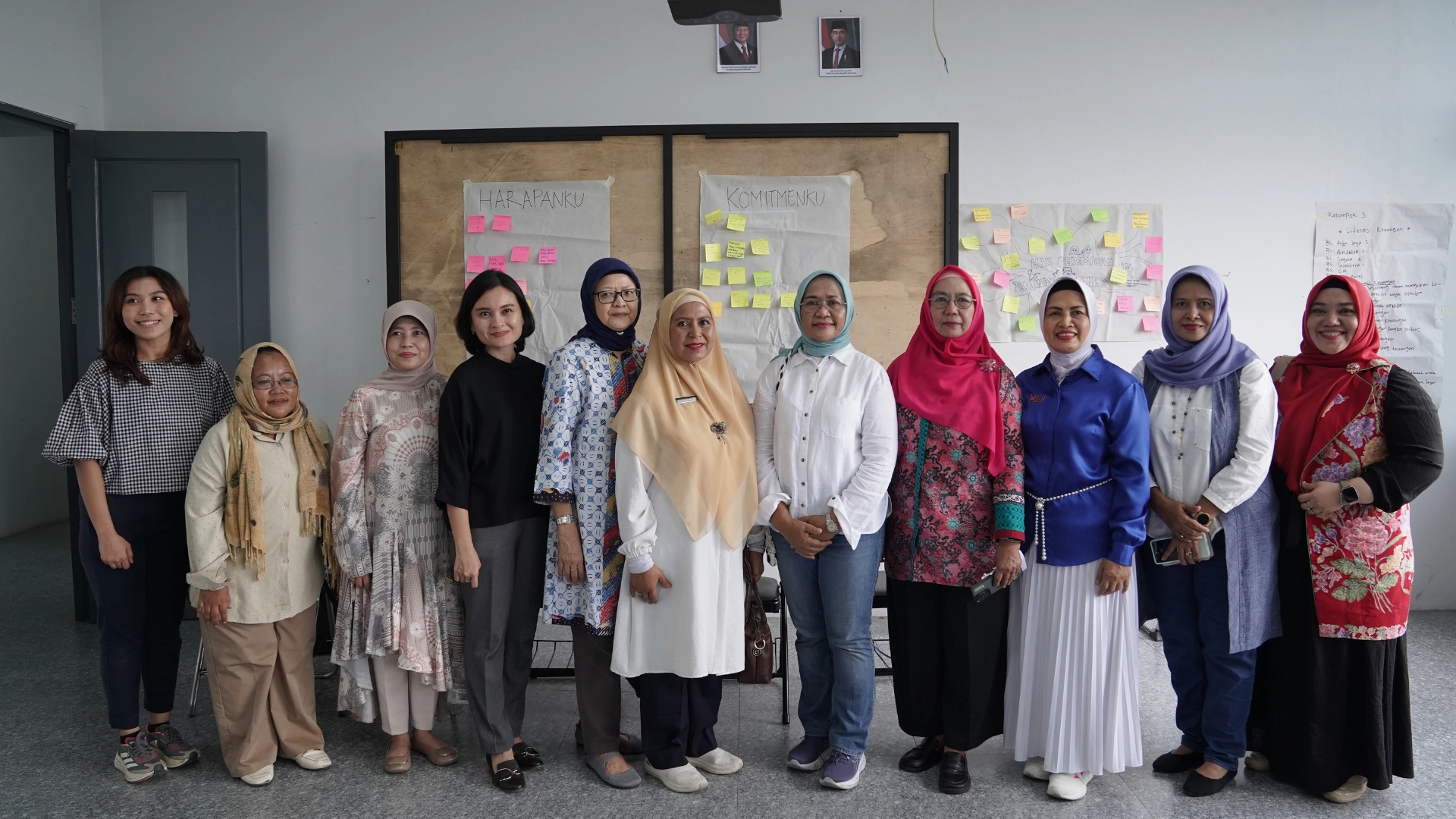
To expand access to inclusive healthcare services for vulnerable community groups, the Department of Nutrition, Faculty of Medicine, Universitas Sumatera Utara (FK USU), independently organized a community service activity entitled "Nutritional Status Assessments for Waste Management Workers: An Initial Step toward Achieving SDG 3 in Marginalized Communities", held at Grha Kirana on Wednesday, November 12, 2025.
The activity, which targeted informal workers in the waste management sector, was directly led by dr. Fitriyani Nasution, M.Gizi, Sp.GK, Subsp.KM, as the lecturer responsible for the activity. In its implementation, she collaborated with professors and expert lecturers within FK USU as members of the implementation team, namely Prof. Dr. dr. Dina Keumala Sari, M.Gizi, Sp.GK, Subsp.PK, Nenni Dwi Aprianti Lubis, SP., M.Si, dr. Zaimah Z. Tala, MS, Sp.GK, Subsp.KM, and Dr. dr. T. Kemala Intan, M.Pd., M.Biomed.
The implementation of this program was motivated by the significant health vulnerabilities faced by waste management workers in their daily activities. Heavy physical workloads, exposure to hazardous working environments, and limited access to health information and services often make these marginalized community groups vulnerable to nutritional problems, including chronic energy deficiency, anemia, and other metabolic imbalances.
Through a promotive and preventive approach, this activity represents the Department of Nutrition, FK USU's tangible contribution to implementing the global Sustainable Development Goals (SDGs) agenda, particularly SDG 3 (Good Health and Well-Being), which emphasizes the importance of ensuring health and well-being for all segments of society without exception. In addition, special attention to fulfilling the healthcare rights of informal workers in marginalized communities also reflects the spirit of SDG 10 (Reduced Inequalities) in reducing disparities in access to healthcare services.
Throughout the activity at Grha Kirana, participants received anthropometric examinations and comprehensive nutritional status assessments, accompanied by interactive nutrition education and consultation sessions with the expert team. Waste management workers were provided with practical guidance on selecting and arranging a balanced, nutritious diet using affordable food ingredients to maintain their immune systems and work stamina.
The activity took place in a warm atmosphere and received a positive response from the waste management workers who attended and participated in the entire series of examinations. Through this initial step, the Department of Nutrition, FK USU, hopes that nutritional status monitoring among marginalized communities can continue sustainably, thereby improving the health, fitness, and quality of life of informal sector workers in Medan City.