


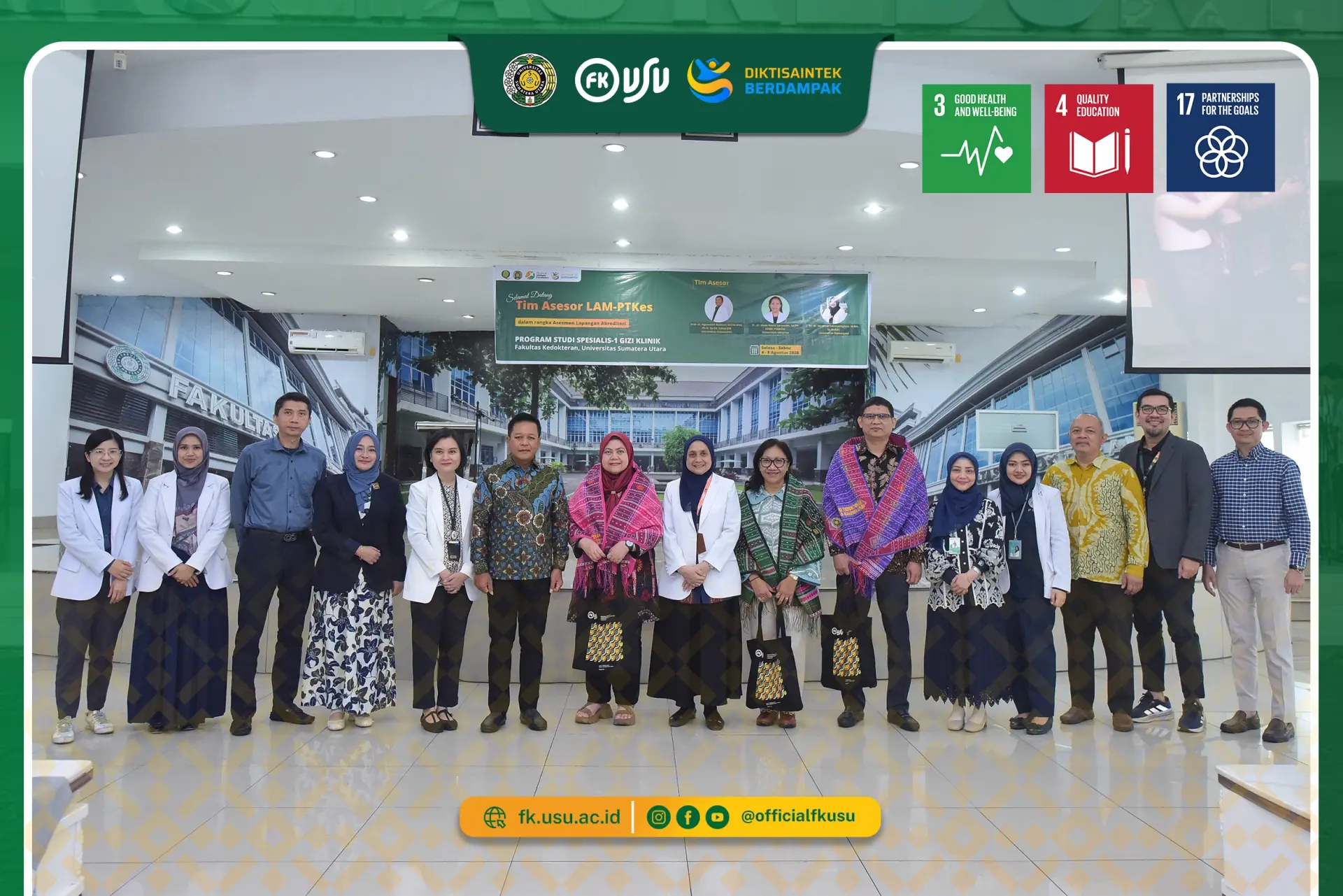
Medan, August 5, 2026 – The Faculty of Medicine, Universitas Sumatera Utara (FK USU), officially commenced the Field Assessment for the Accreditation of the Specialist Program in Clinical Nutrition, held from August 5–8, 2026. The opening ceremony took place at the 3rd Floor Hall of FK USU and was officially opened by the Rector of Universitas Sumatera Utara, Prof. Dr. Muryanto Amin, S.Sos., M.Si. The event was also attended by the Vice Deans of FK USU, the Head of the Specialist Program in Clinical Nutrition, Director of the Directorate of Cooperation and Internationalization of USU, Prof. Dr. dr. Dewi Masyithah Darlan, DAP&E., MPH., Sp.Park., faculty members, administrative staff, as well as representatives of teaching hospitals and affiliated hospitals.
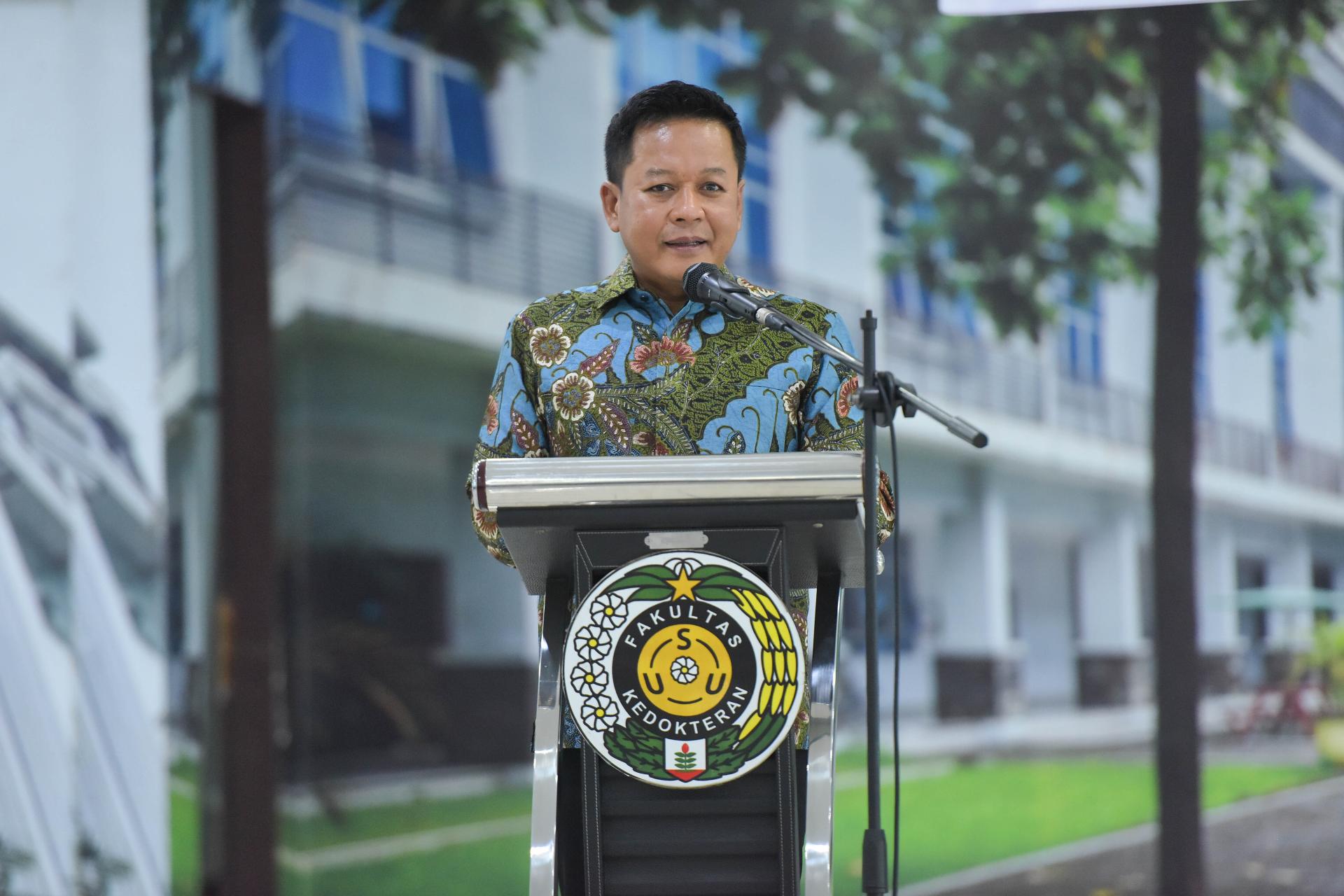
The field assessment, conducted by the Indonesian Accreditation Agency for Higher Education in Health (LAM-PTKes), is part of the higher education quality assurance process to assess the implementation of academic standards, program governance, human resources, curriculum, research, community service, and educational facilities and infrastructure for specialist medical education.
In his remarks, the Rector of Universitas Sumatera Utara expressed his appreciation and welcomed the LAM-PTKes Assessment Team. He emphasized that the field assessment is not merely an evaluation process, but also an important opportunity for the institution to reflect, evaluate, and continuously strengthen its quality culture. According to him, the Specialist Program in Clinical Nutrition plays a strategic role in addressing increasingly complex healthcare needs by providing specialist medical education that produces competent, integrity-driven, and nationally and internationally competitive graduates.
“Quality is not the final destination, but a culture that must continuously be built through evaluation, collaboration, and a commitment to improvement,” said Prof. Dr. Muryanto Amin, S.Sos., M.Si.
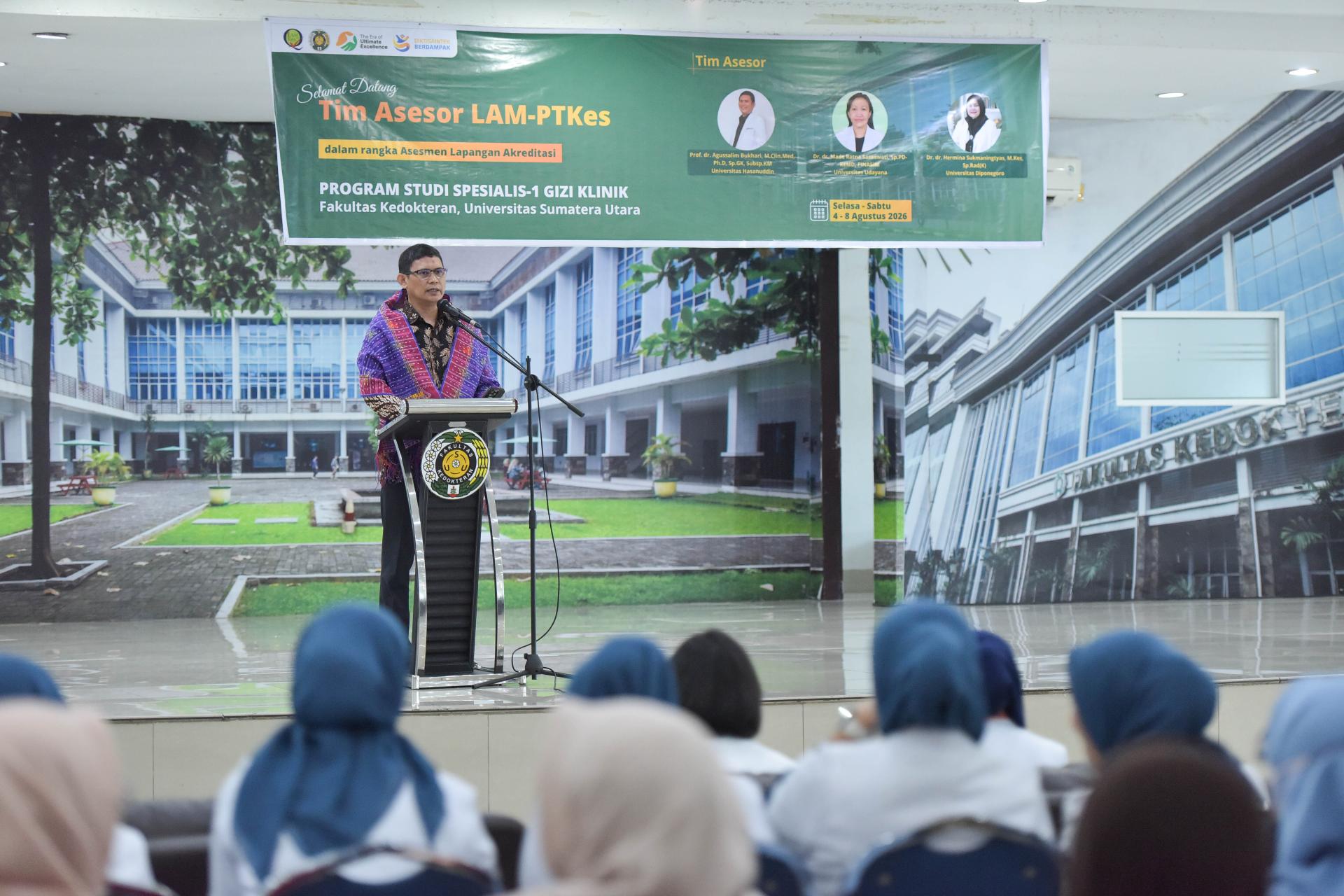
FK USU’s commitment to the accreditation assessment is aligned with Sustainable Development Goal (SDG) 4: Quality Education, through continuous efforts to improve the quality of specialist medical education. Strengthening the quality assurance system is expected to produce outstanding graduates who are adaptive to developments in science and possess competencies that meet healthcare needs at both national and global levels.
Meanwhile, the Chair of the LAM-PTKes Assessment Team, Prof. dr. Agussalim Bukhari, M.Clin.Med., Ph.D., Sp.GK., Subsp.KM., explained that the field assessment is part of a quality assurance mechanism aimed at obtaining a comprehensive overview of the implementation of educational standards based on the accreditation instrument. He stated that the assessment would be conducted objectively, independently, and professionally, while also serving as a shared learning opportunity to encourage continuous improvement in the quality of the study program.
“We hope that the entire academic community will openly provide information according to the actual conditions. This assessment is not only intended to evaluate achievements, but also provides an opportunity to offer recommendations that can strengthen the quality of specialist medical education in the future,” said Prof. Agussalim.
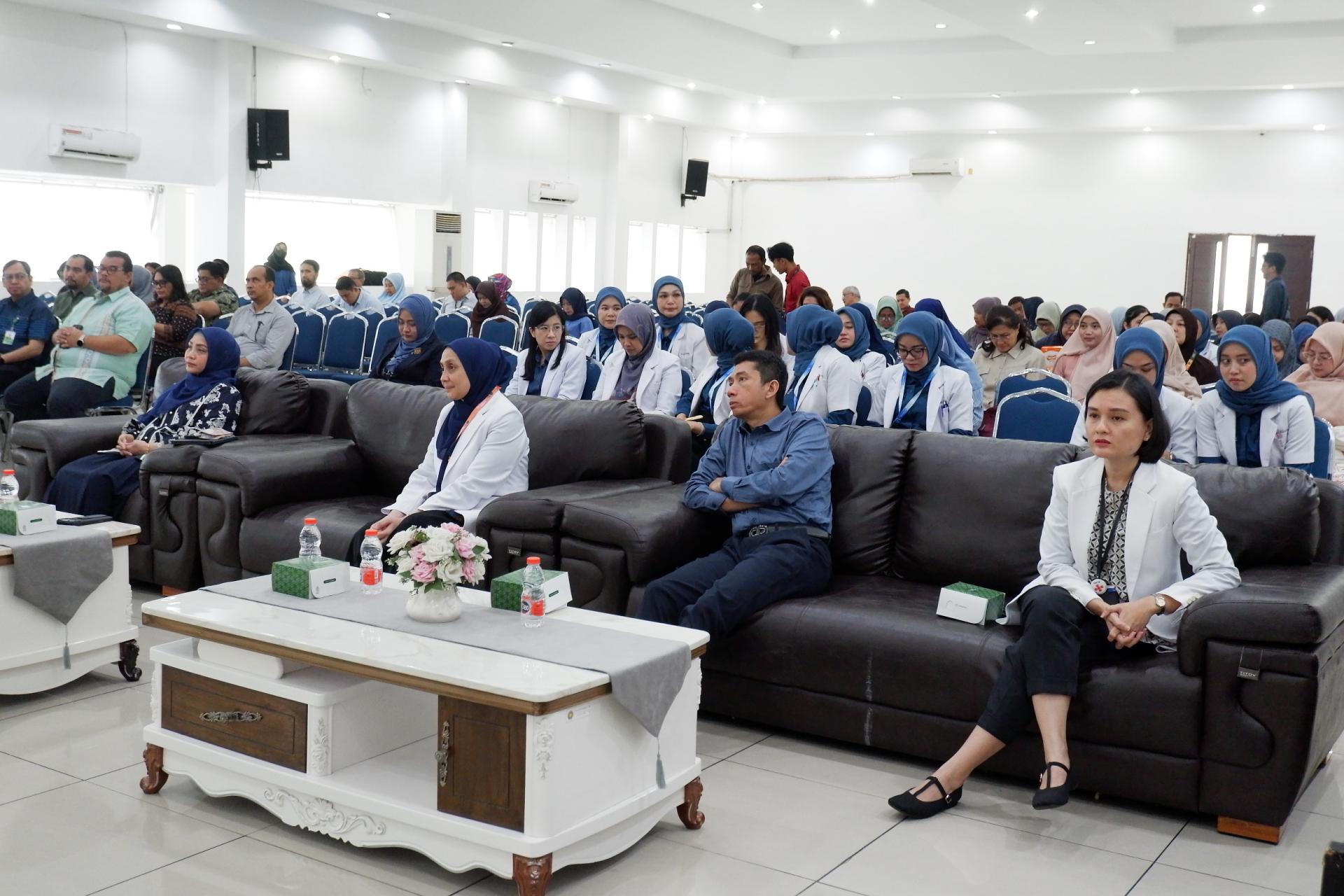
During the assessment from August 5–8, 2026, the assessors will review documents, conduct interviews with university and faculty leaders, faculty members, administrative staff, students, alumni, and graduate users, as well as visit various learning facilities and teaching hospitals serving as educational sites for the Specialist Program in Clinical Nutrition at FK USU.
The assessment also contributes to SDG 3: Good Health and Well-being, as improving the quality of specialist education in clinical nutrition is expected to contribute to better healthcare services, particularly in addressing clinical nutrition issues, metabolic diseases, chronic diseases, and promotive and preventive health efforts for the community.
In addition, the assessment involves various stakeholders, including LAM-PTKes, university and faculty leadership, teaching hospitals, affiliated hospitals, and other strategic partners. This collaboration reflects the implementation of SDG 17: Partnerships for the Goals, emphasizing the importance of partnerships in building a high-quality, sustainable medical education ecosystem capable of responding to developments in science and the evolving healthcare needs of Indonesia.