


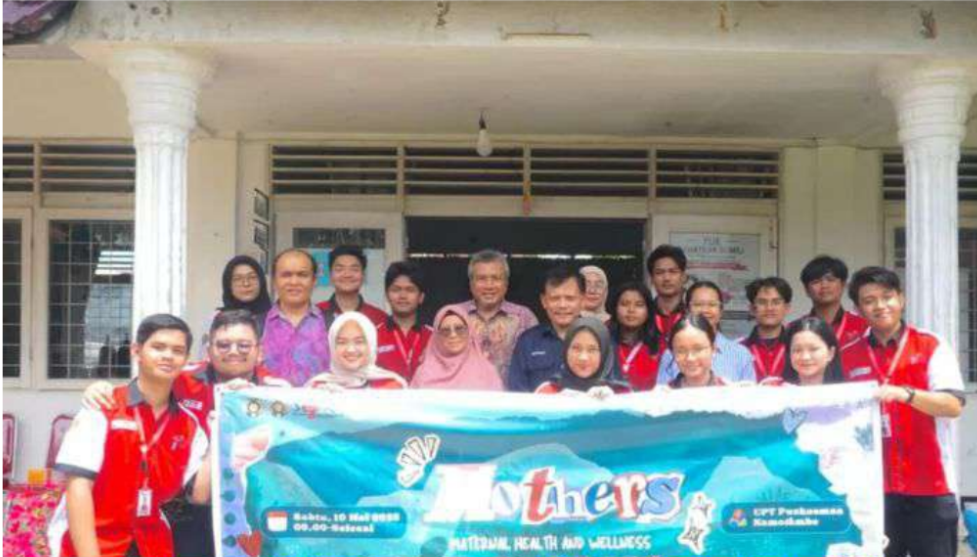
A mother's health plays an important role in determining a child's health and growth and development from the earliest stages of life. Physical condition, nutritional needs, mental health, and access to healthcare services during pregnancy and after childbirth are interconnected factors that support the well-being of mothers and babies. Recognizing the importance of attention to maternal health, the Department of Microbiology, Faculty of Medicine, Universitas Sumatera Utara (USU), together with SCORA PEMA FK USU, carried out a community service activity entitled MOTHERS (Maternal Health and Wellness) with the theme “Happy Mom, Healthy Babies” on May 10, 2025, at Namorambe Community Health Center, Deli Serdang Regency, North Sumatra. Led by Dr. dr. Sri Amelia, M.Kes., the activity highlighted the importance of increasing awareness of maternal and infant health as part of efforts to build healthy families. The theme Happy Mom, Healthy Babies reflects the close relationship between maternal well-being and children's health. In maternal healthcare, attention is directed not only toward pregnancy and childbirth but also toward mothers' physical and psychological readiness, adequate nutrition, and support during the postpartum period. This comprehensive approach is important because maternal health affects pregnancy, recovery after childbirth, and the family's ability to provide care that supports the baby's needs.
One important aspect of maternal and child health is the prevention of infectious diseases that can cause complications during pregnancy or after childbirth. Certain infections in pregnant women can increase the risk of health problems if they are not identified and treated appropriately. Therefore, regular prenatal check-ups, receiving immunizations in accordance with recommendations, adopting clean and healthy living habits, and consulting healthcare professionals are important measures. From a microbiological perspective, understanding the microorganisms that cause infections and their transmission mechanisms is an important part of supporting science-based preventive measures. In addition to infection prevention, maternal health also requires adequate nutritional support. Pregnant women need sufficient energy, protein, iron, folic acid, and various vitamins and minerals according to their needs to support fetal growth and maintain their own health. After childbirth, exclusive breastfeeding during the first six months, when possible, as well as monitoring the baby's growth and development, are part of efforts to maintain children's health. A mother's psychological well-being is equally important because physical and emotional changes, along with caregiving responsibilities, can create stress during pregnancy and the postpartum period. Support from partners, families, the social environment, and healthcare professionals is necessary to help mothers experience pregnancy and caregiving more safely and comfortably. Through the MOTHERS program theme, attention to these various aspects is relevant to strengthening public understanding of maternal and infant health.
The implementation of this community service activity at Namorambe Community Health Center also demonstrates the importance of university and student organization involvement in supporting community-based healthcare services. Community health centers play a strategic role as primary healthcare facilities providing maternal and child health services, prenatal examinations, immunizations, and growth and development monitoring. Collaboration with the Department of Microbiology and SCORA PEMA FK USU is expected to strengthen awareness of maternal health needs through an educational and collaborative approach. Efforts to improve maternal and infant health require continuity between knowledge, access to healthcare services, family support, and healthy living habits. This activity also represents a contribution by the academic community of Universitas Sumatera Utara to supporting the achievement of the Sustainable Development Goals (SDGs), particularly SDG 3 on Good Health and Well-Being, SDG 4 on Quality Education, and SDG 5 on Gender Equality. By strengthening attention to maternal health, the MOTHERS program conveys the message that building a healthy generation must begin by ensuring that every mother receives the information, support, and healthcare services she needs. The spirit of Happy Mom, Healthy Babies is expected to encourage collective concern for maternal well-being and children's future.