


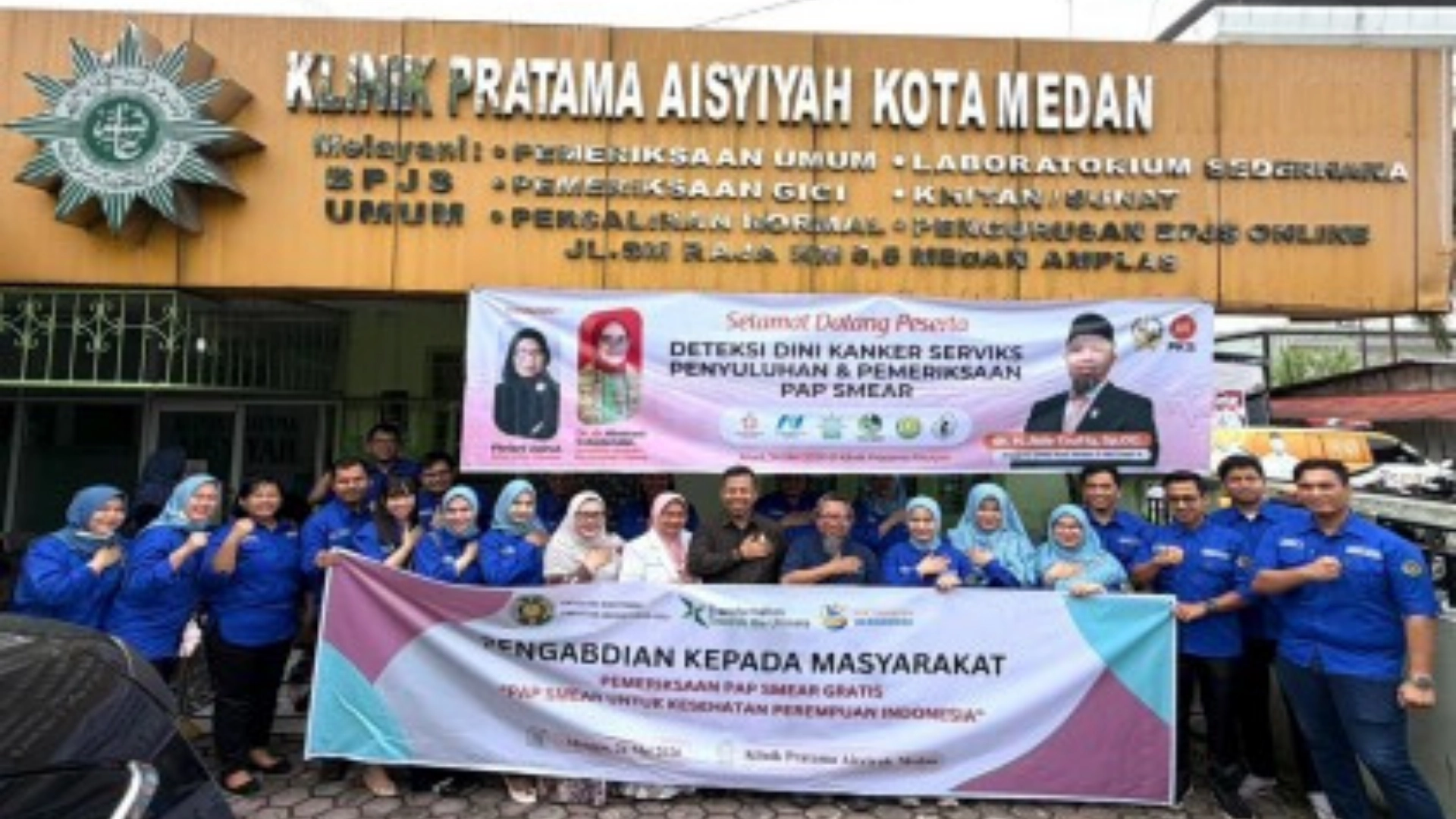
As a form of concern and tangible commitment to improving women's health, the Department/Study Program of Anatomical Pathology, Faculty of Medicine, Universitas Sumatera Utara (FK USU), independently organized a series of community service activities at Aisyiyah Primary Clinic, Medan City, on Sunday, May 24, 2026.
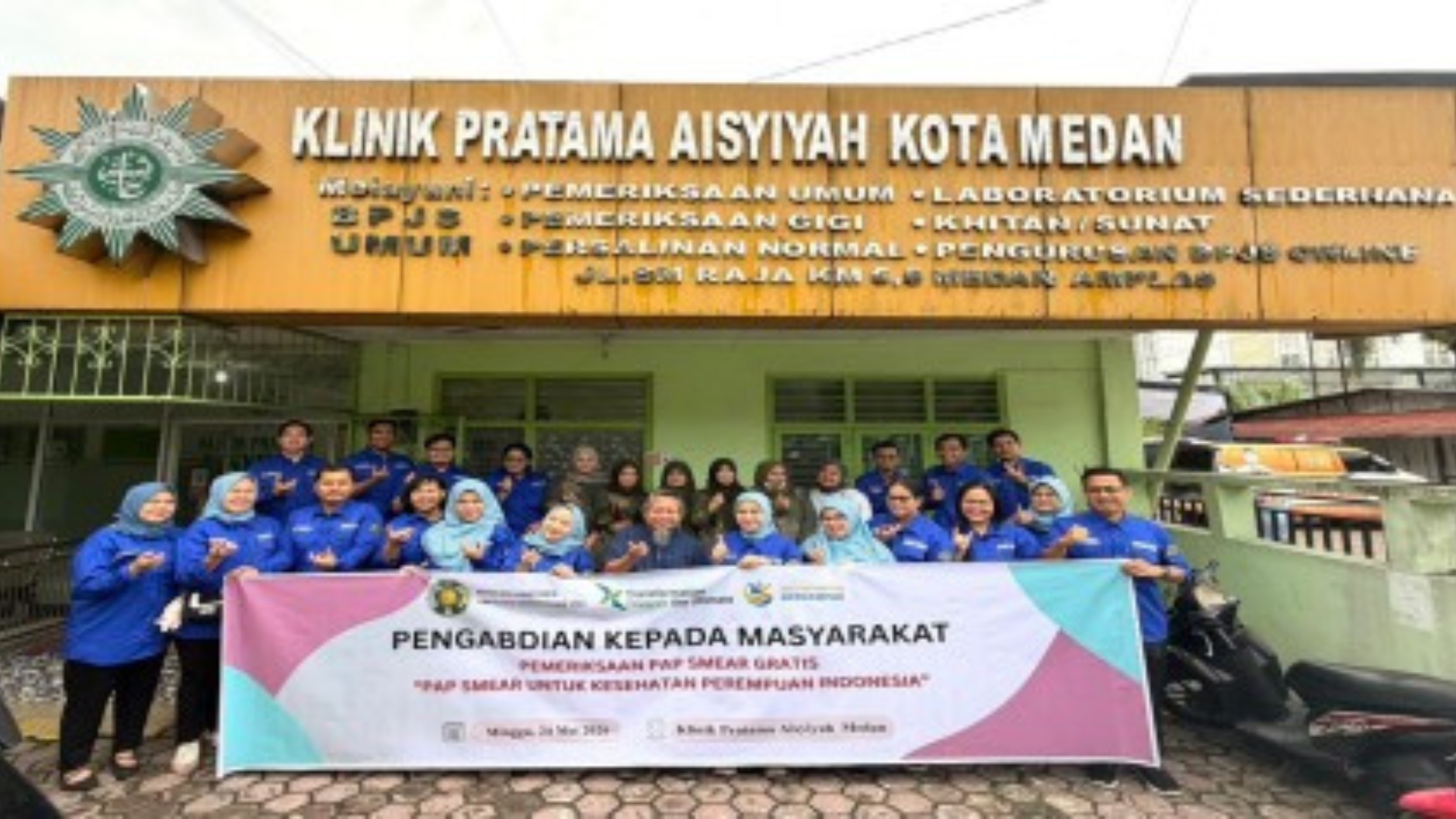
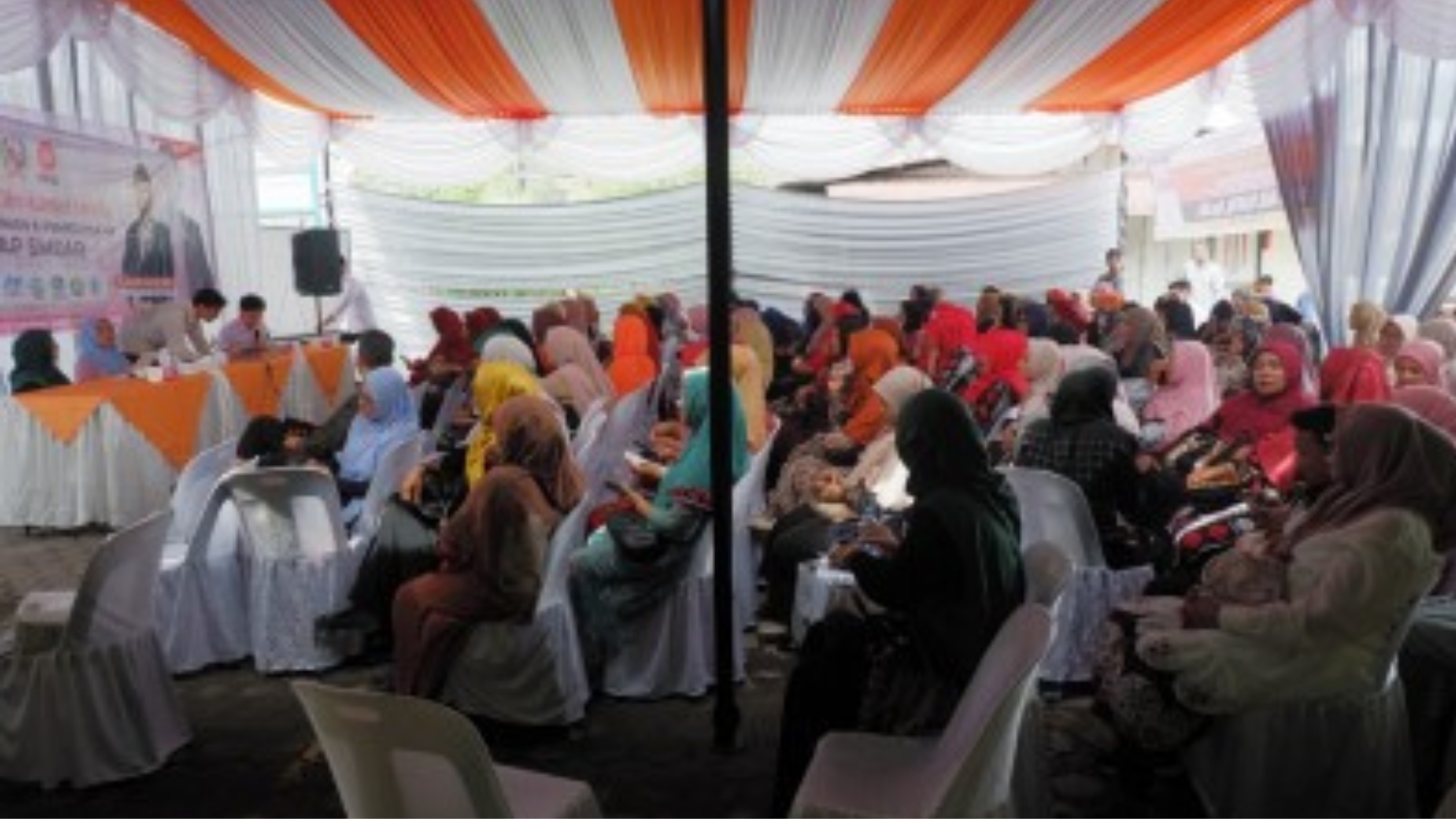
The activity, which focused on efforts to prevent and address cancer affecting the female reproductive organs, combined three interconnected main topics. These three agendas included cervical cancer health education led by dr. Lidya Imelda Laksmi, M.Ked(PA), Sp.PA, Subsp. U.R.L.; education on Pap smear examinations under the responsibility of Dr. dr. H. Delyuzar, M.Ked(PA), Sp.PA, Subsp. U.R.L.; and early detection of uterine cancer through Pap smear examinations coordinated by dr. Devi Nafilah Yuzar, M.Ked(PA), Sp. PA.
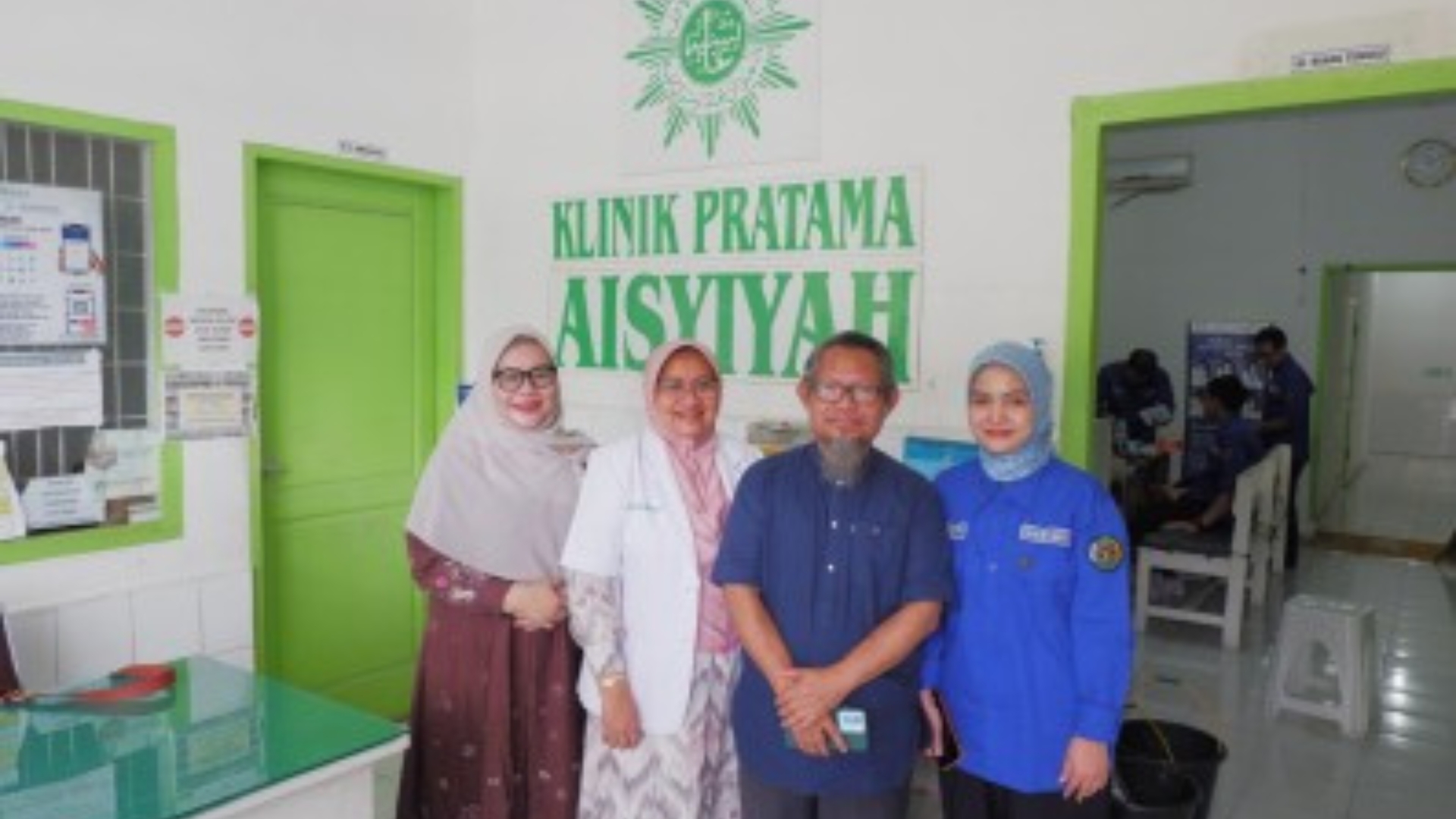
In its implementation, the entire series of programs was carried out collaboratively with lecturers and experts from the Department of Anatomical Pathology, FK USU, who served as the activity implementation team, namely Dr. dr. Betty, M.Ked(PA), Sp.PA, Subsp. O.G.P, Dr. dr. T. Ibnu Alferraly, M.Ked(PA), Sp.PA, D.Bioeth, dr. Jessy Chrestella, M.Ked(PA), Sp.PA, Subsp. O.G.P, dr. Causa Trisna Mariedina, M.Ked(PA), Sp.PA, and Dr. dr. T. Kemala Intan, M.Pd., M.Biomed.
The organization of this program is part of the institution's active contribution to achieving the global Sustainable Development Goals (SDGs) agenda, particularly SDG 3 (Good Health and Well-Being), which focuses on reducing morbidity and mortality from non-communicable diseases through promotive and preventive measures. In addition, the program's focus on protecting women's rights and fulfilling their access to reproductive health information is also in line with the spirit of SDG 5 (Gender Equality).
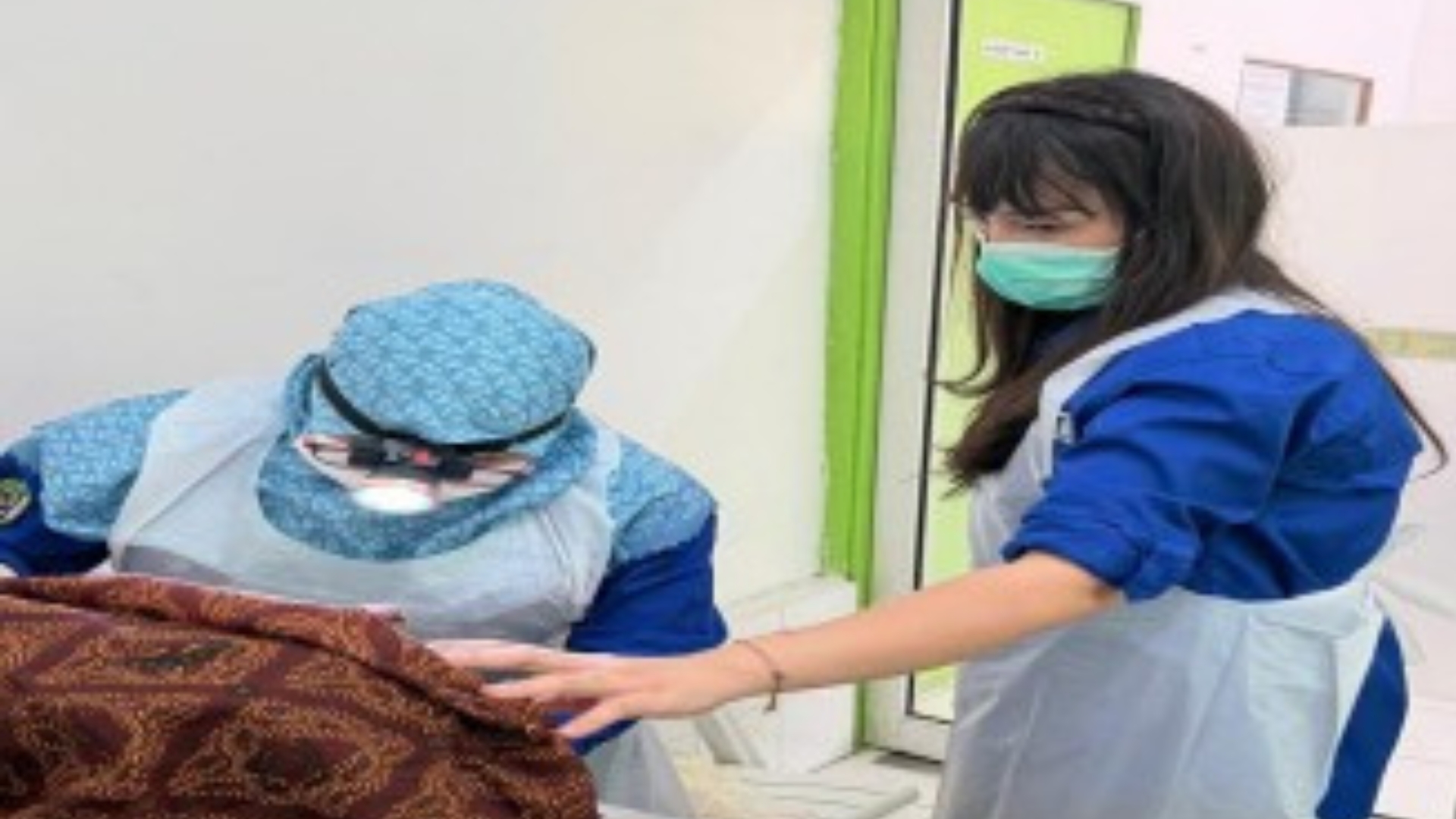
The selection of cervical cancer and Pap Smear examinations as the topics was motivated by the urgent need for reproductive health education in the community. Cervical cancer often develops without causing clear symptoms in its early stages, making awareness of regular screening examinations essential for detecting precancerous cell changes before they develop into more serious conditions.
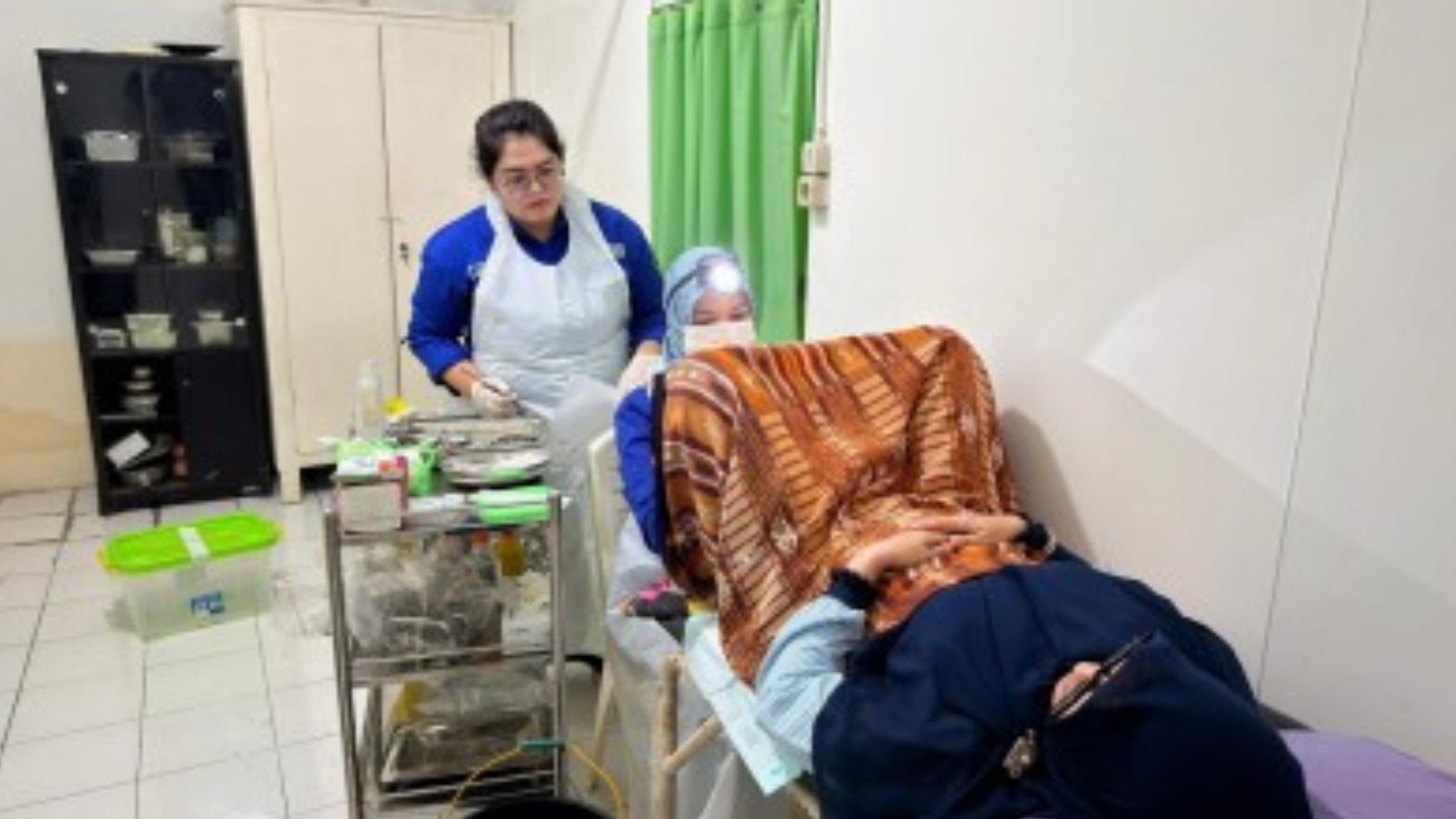
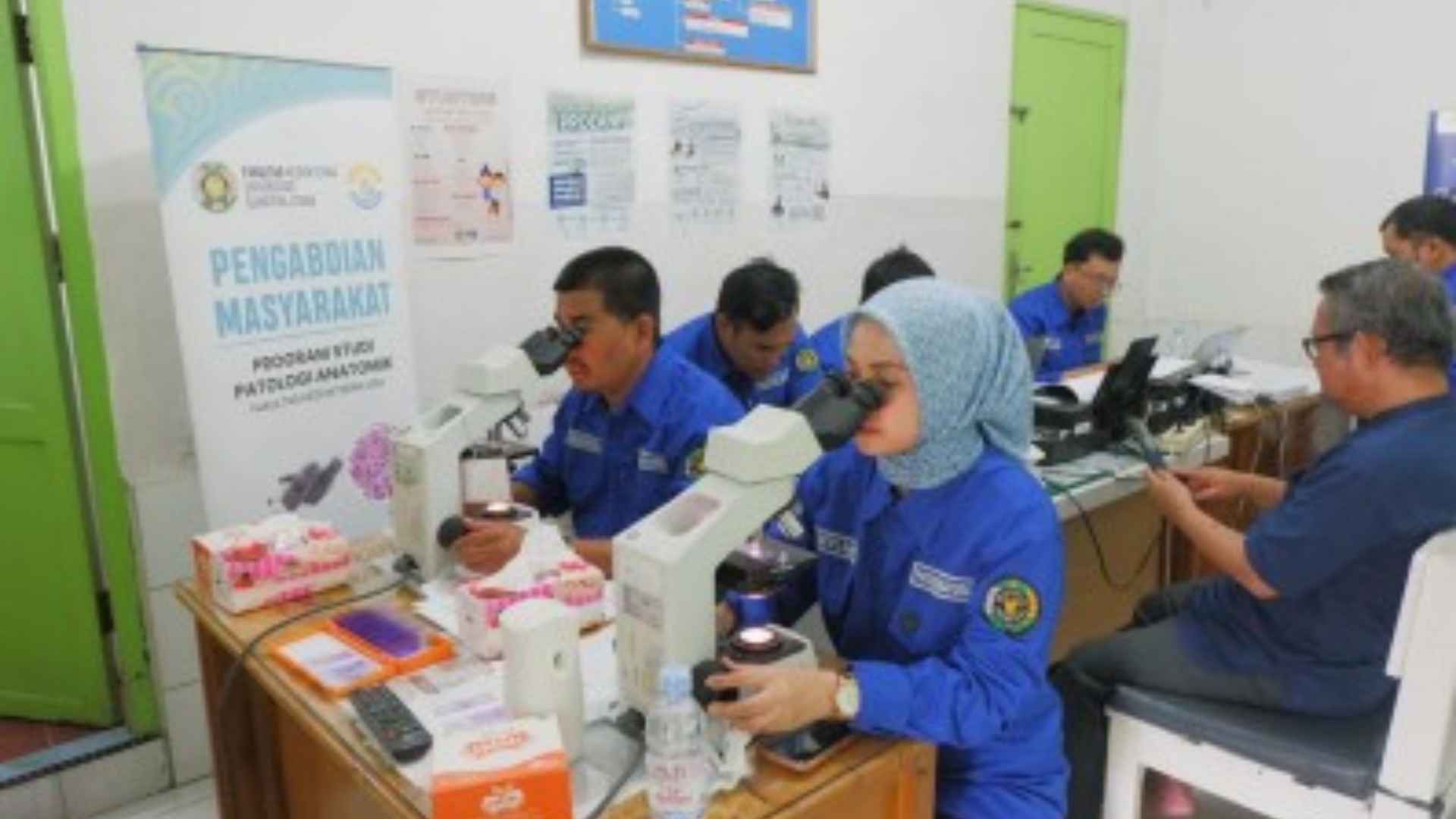
Through communicative educational sessions, the FK USU anatomical pathology specialist team provided comprehensive explanations of the risk factors for cervical cancer, primary and secondary prevention measures, and the importance of overcoming hesitation or fear regarding medical examination procedures. In addition to delivering educational materials, the implementation team also facilitated an introduction to and direct early detection examinations through Pap Smear testing for participants at the clinic, allowing the community to experience the benefits of accurate and reliable healthcare services.
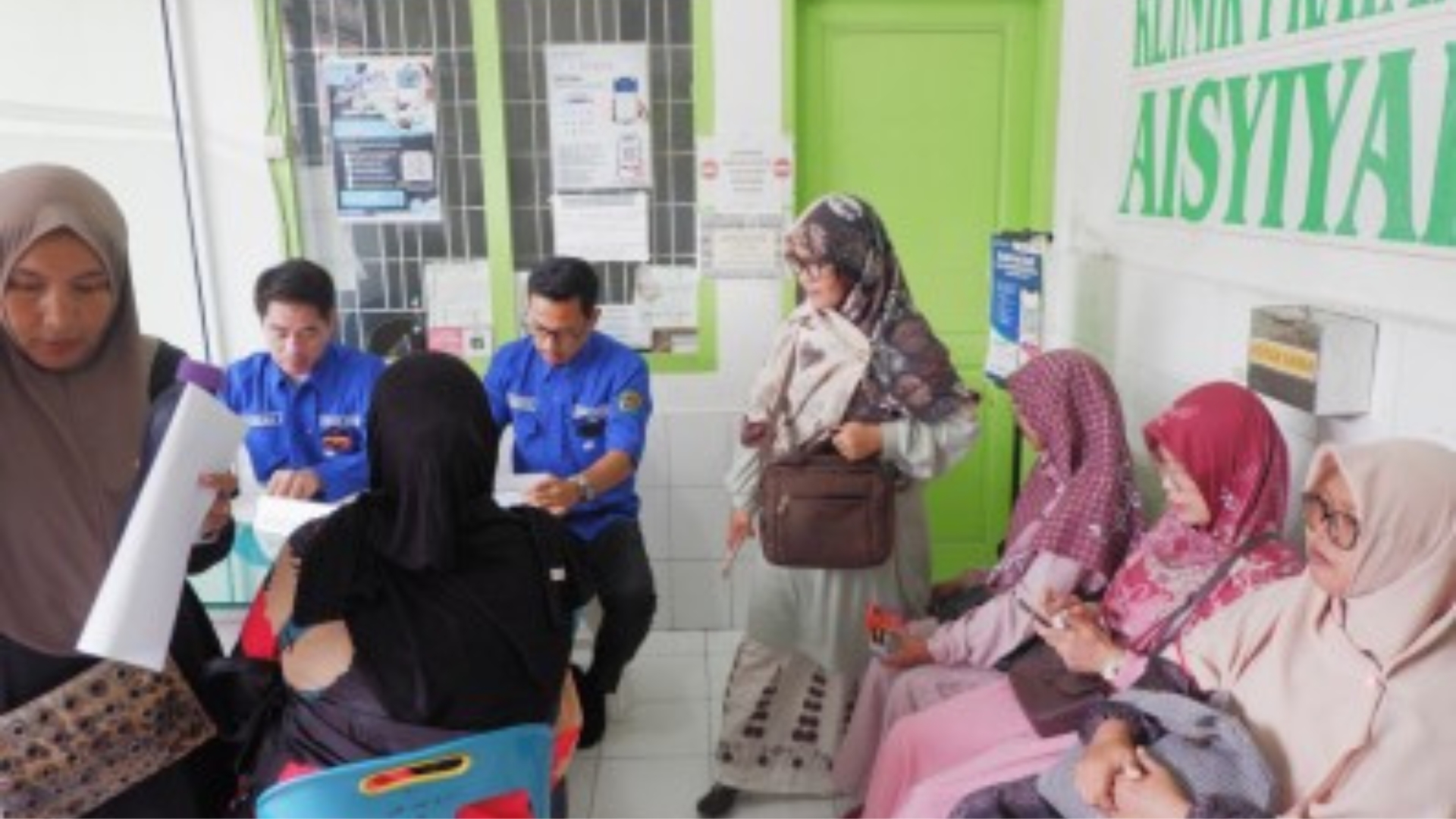
Participant enthusiasm at Aisyiyah Primary Clinic, Medan, remained high throughout the event, particularly during the question-and-answer session and reproductive health consultations with specialist doctors. In addition to being a tangible manifestation of the implementation of SDGs 3 and 5, the partnership between FK USU academics and this primary healthcare facility also strengthened SDG 17 (Partnerships for the Goals) synergy in expanding the reach of public healthcare services, with the hope that cervical cancer incidence in Medan City can be significantly reduced in the future.