


The Faculty of Medicine, Universitas Sumatera Utara (USU), welcomed a visit from the Chair of the Clinical Microbiology College, dr. Yulia Rosa Saharman, Sp.MK(K), Ph.D., and the Chair of the Quality and Accreditation Division of the Clinical Microbiology Health College and Chair of the Indonesian Association of Clinical Microbiology Specialists (PAMKI), Prof. dr. Tri Wibawa, Sp.MK(K), Ph.D., on Thursday, October 9, 2025, at the Faculty of Medicine’s first-floor meeting room.
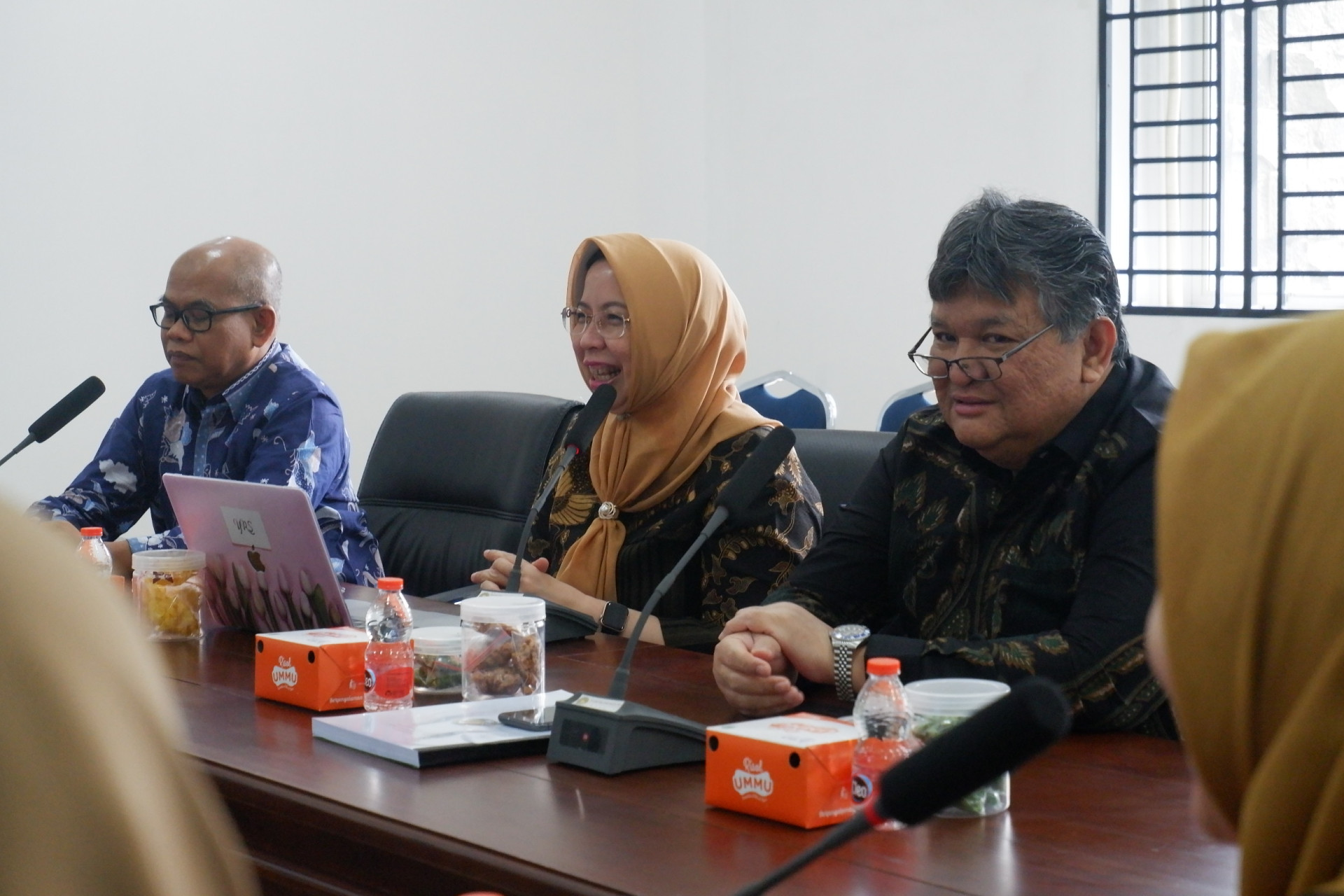
The visit was part of the verification and academic mentoring process to accelerate the establishment of the Clinical Microbiology Residency Program at the USU Faculty of Medicine.
During the visit, both representatives were officially welcomed by the Dean of the USU Faculty of Medicine, Prof. Dr. dr. Aldy Safruddin Rambe, Sp.S(K), accompanied by the Head of the Department of Microbiology, dr. Evita Mayasari, M.Kes., Ph.D.; the Secretary of the Department of Microbiology, Dr. dr. Sri Amelia, M.Kes.; and the team proposing the new study program. The meeting took place in a warm and constructive atmosphere, with discussions focusing on key aspects of academic readiness, curriculum development, human resources, and supporting laboratory facilities for the Clinical Microbiology Residency Program.
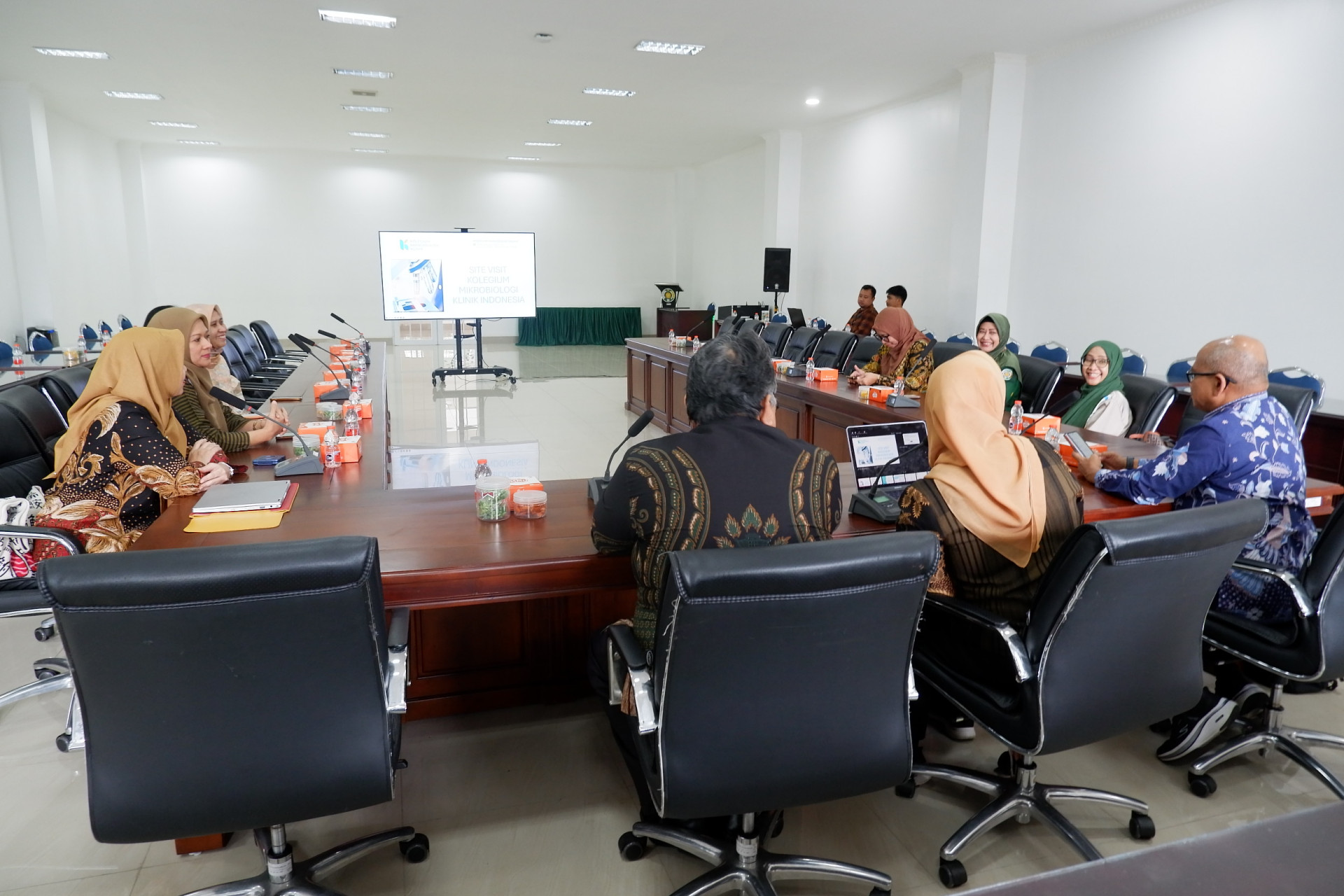
The development of this study program aligns with the United Nations Sustainable Development Goals (SDGs), particularly SDG 3: Good Health and Well-being and SDG 4: Quality Education. By strengthening specialist medical education, the USU Faculty of Medicine aims to increase the availability of qualified medical professionals, enhance diagnostic capacity for infectious diseases, and improve the quality of healthcare services. Furthermore, competency-based curriculum development, improvements in faculty qualifications, and the provision of adequate learning facilities are essential steps toward delivering high-quality and sustainable specialist medical education.
In her remarks, dr. Yulia Rosa Saharman, Ph.D., Sp.MK(K), expressed her appreciation for the USU Faculty of Medicine’s commitment and dedication to preparing for the establishment of the Clinical Microbiology Residency Program. She emphasized that the program is highly relevant and urgently needed, given the limited number of clinical microbiology specialists graduating in North Sumatra, while demand for experts in this field continues to increase in teaching hospitals and public health service laboratories.
“We recognize the seriousness and strong level of preparedness demonstrated by the USU Faculty of Medicine. Given the limited number of clinical microbiology specialists in North Sumatra, establishing this residency program is a strategic and important step toward strengthening the education system and healthcare services in western Indonesia,” said dr. Yulia.
Meanwhile, Prof. dr. Tri Wibawa, Ph.D., Sp.MK(K), highlighted the importance of the program in supporting the control of infectious diseases and advancing microbiology research in Indonesia.
“The role of clinical microbiology specialists is vital, particularly in the post-pandemic era. With the establishment of this program, we hope to see more microbiology experts emerge from western Indonesia and contribute to the national healthcare system,” he stated.
From the perspective of SDG 3, the availability of clinical microbiology specialists is expected to contribute to improved detection and accurate diagnosis of infectious diseases, stronger disease surveillance, and more rational antimicrobial use through reliable microbiological testing. These efforts are relevant to SDG Target 3.3, which focuses on combating communicable diseases, and Target 3.d, which aims to strengthen early warning systems and risk reduction and management capacities for national and global health risks.
The USU Faculty of Medicine welcomed the guidance provided by the College representatives and reaffirmed its commitment to fulfilling all necessary requirements, including curriculum development, faculty recruitment and preparation, laboratory facilities, and clinical referral networks. This commitment also reflects the faculty’s contribution to SDG 4, particularly Target 4.4, which emphasizes increasing relevant technical and professional skills through high-quality specialist medical education that responds to healthcare system needs.
The visit concluded with an on-site review of several microbiology laboratories and research support facilities at the USU Faculty of Medicine, followed by technical discussions on the next steps in accelerating the establishment of the Clinical Microbiology Residency Program.
Through this visit, the collaboration between the USU Faculty of Medicine and the Clinical Microbiology College is expected to accelerate the establishment of a new study program that will serve as a center for clinical microbiology education, research, and services in North Sumatra and surrounding regions.
By integrating specialist education, research development, and enhanced healthcare capacity, the USU Faculty of Medicine reaffirms its commitment to advancing the SDGs through meaningful contributions to medical education and public health. This initiative is expected not only to address the shortage of clinical microbiology specialists in western Indonesia but also to contribute to building a more resilient, inclusive, and sustainable healthcare system.