


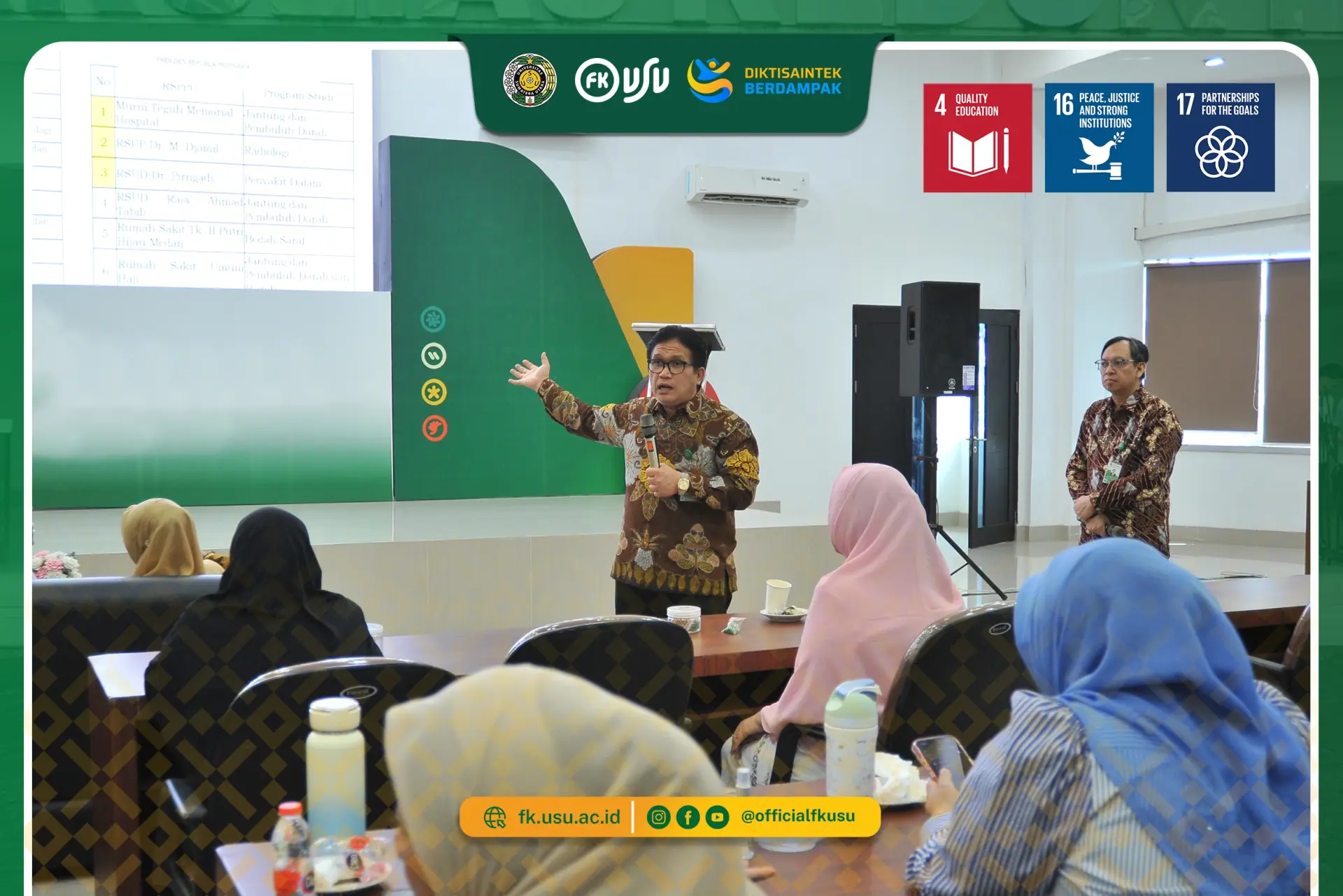
The Faculty of Medicine, Universitas Sumatera Utara (FK USU) organized a Performance Contract and Key Performance Indicators (KPIs) and Supporting Performance Indicators (SPIs) Presentation, followed by a capacity-building session led by the Dean for the Heads and Secretaries of Study Programs on Friday, 10 July 2026, at the 4th Floor Auditorium of FK USU.
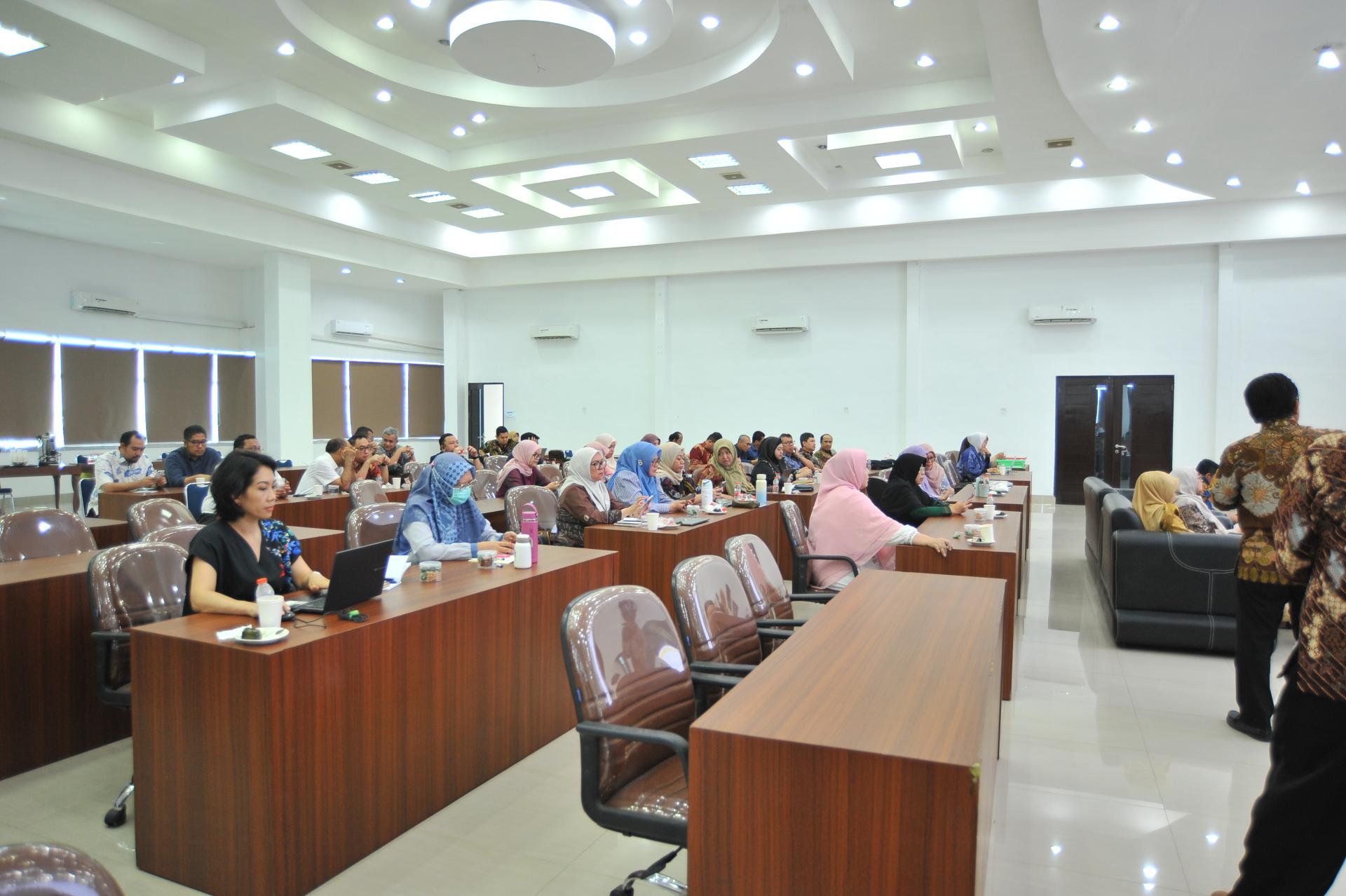
The event was led by the Dean of FK USU, Dr. dr. Muara Panusunan Lubis, M.Ked(OG), Sp.O.G., Subsp.K.Fm., accompanied by the Vice Dean for Education, Student Affairs, and Alumni, Prof. dr. Ayodhia Pitaloka Pasaribu, M.Ked(Ped), Sp.A(K), Ph.D(CTM); the Vice Dean for Administration, Finance, Human Resources, and Academic Infrastructure, Prof. Dr. dr. Dedy Hermansyah, Sp.B., Subsp.Onk(K); and the Vice Dean for Research, Community Service, Collaboration, and Internationalization, Prof. Dr. dr. Dina Keumala Sari, M.Gizi, Sp.GK., Subsp.PK. The event was also attended by the Heads and Secretaries of the Working Team for Specialist Medical Education Programs (TKP-PPDS), as well as the Heads and Secretaries of all study programs within FK USU.
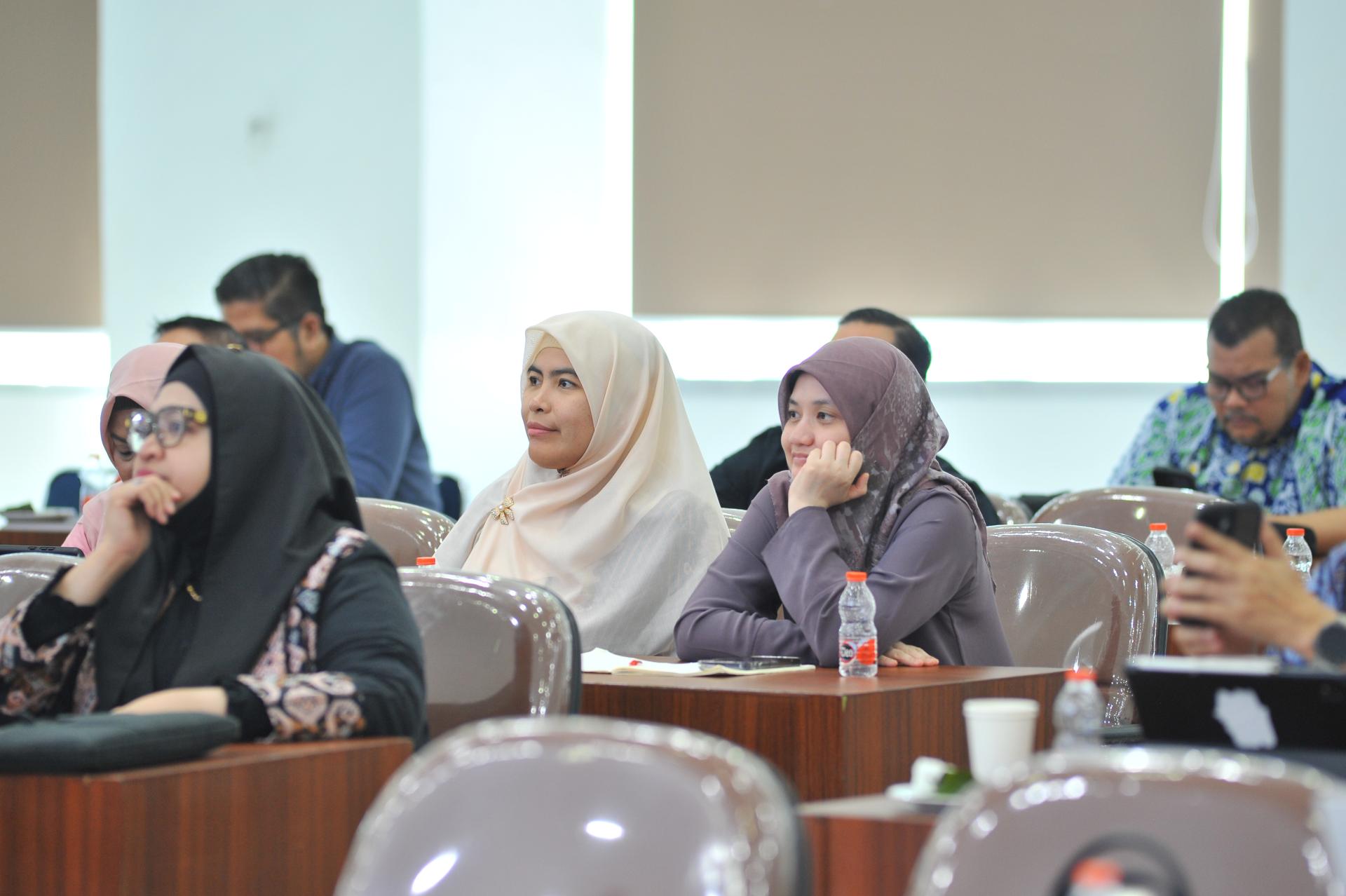
The program commenced with the presentation of the faculty's performance contract as a shared commitment to promoting accountable, measurable, and quality-oriented governance in education, administration and resources, research, community service, and organizational management. The performance contract serves as a guideline for all academic and administrative units in aligning their programs and activities with the faculty's and the university's strategic objectives.
The Dean and the Vice Deans subsequently presented the faculty's Key Performance Indicators (KPIs) and Supporting Performance Indicators (SPIs), outlining priority performance targets across various areas, including educational quality enhancement, research and scientific publication, internationalization, community service, institutional governance, and the expansion of national and international partnerships.
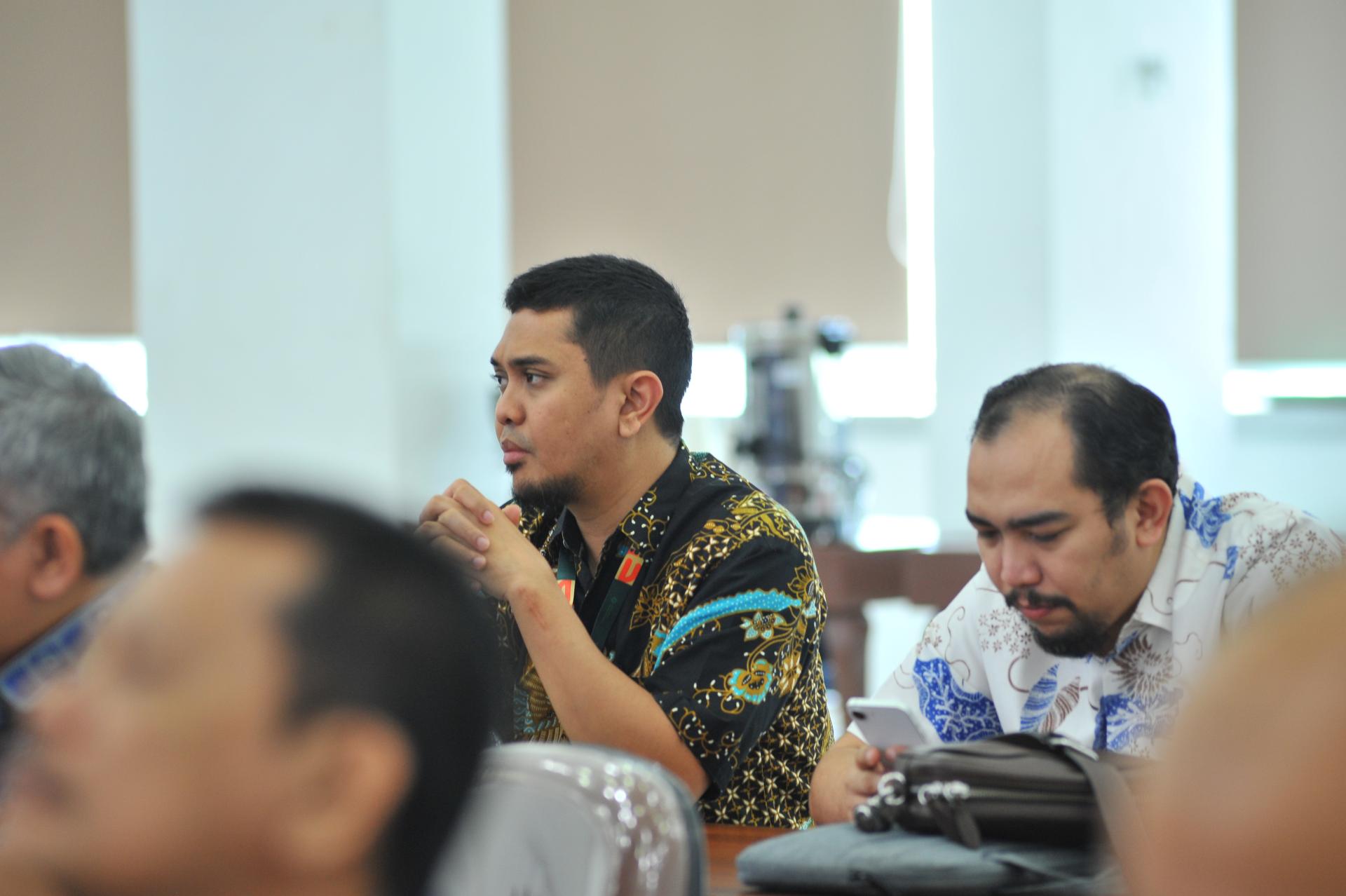
In his remarks, the Dean emphasized that achieving the faculty's KPIs and SPIs is not solely the responsibility of the faculty leadership but a collective responsibility shared by the entire academic community, particularly the study programs as the primary drivers of educational delivery.
"Study programs play a highly strategic role in determining the Faculty of Medicine's success in achieving its performance targets. Therefore, commitment, collaboration, and innovation from all Heads and Secretaries of Study Programs are essential to ensure that every established performance indicator is achieved optimally. We must foster a work culture centered on quality, accountability, and continuous improvement to enhance the faculty's competitiveness at both the national and international levels," stated the Dean of FK USU.
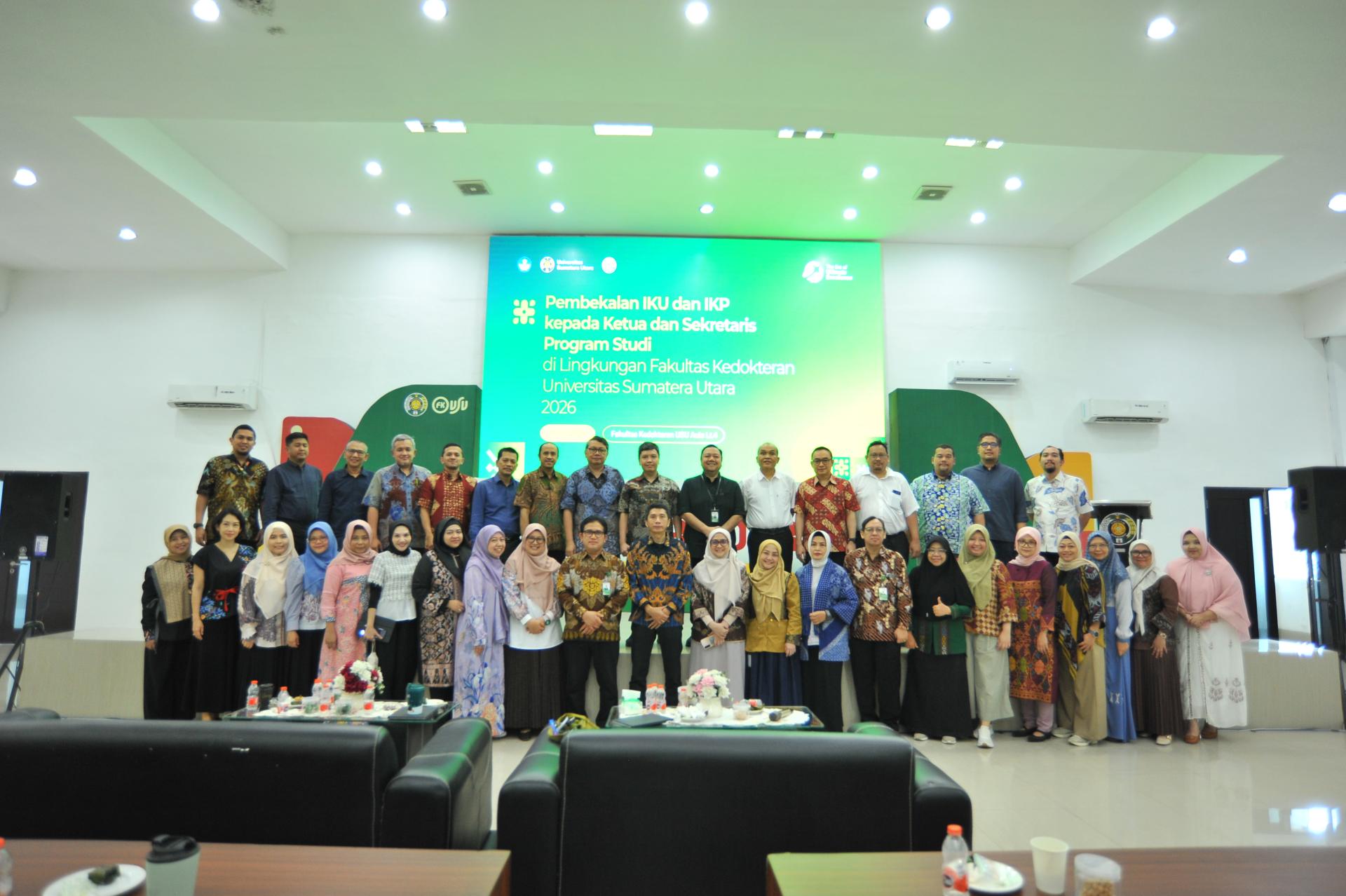
In addition to the presentation of performance targets, the event featured a capacity-building session for the Heads and Secretaries of Study Programs. During this session, the Dean provided guidance on strengthening academic governance, enhancing study program leadership, improving the quality of medical education, implementing adaptive curricula, and fostering a collaborative culture to achieve the faculty's vision and mission.
As part of strengthening internal coordination, the program concluded with a coordination forum involving the Faculty Leadership Working Team (TKP) and all study programs. The forum served as a platform to align work plans, discuss challenges faced by each study program, and formulate collaborative strategies for achieving the faculty's KPIs and SPIs.
This initiative also reflects the Faculty of Medicine's commitment to supporting the Sustainable Development Goals (SDGs), particularly SDG 4 (Quality Education) through strengthening higher education governance, improving educational quality, and enhancing human resource capacity within the academic environment. It also contributes to SDG 16 (Peace, Justice and Strong Institutions) by promoting transparent, accountable, effective, and performance-oriented institutional governance, as well as SDG 17 (Partnerships for the Goals) by reinforcing collaboration among faculty leadership, study programs, and all institutional units in advancing excellence in education, research, and community service.