


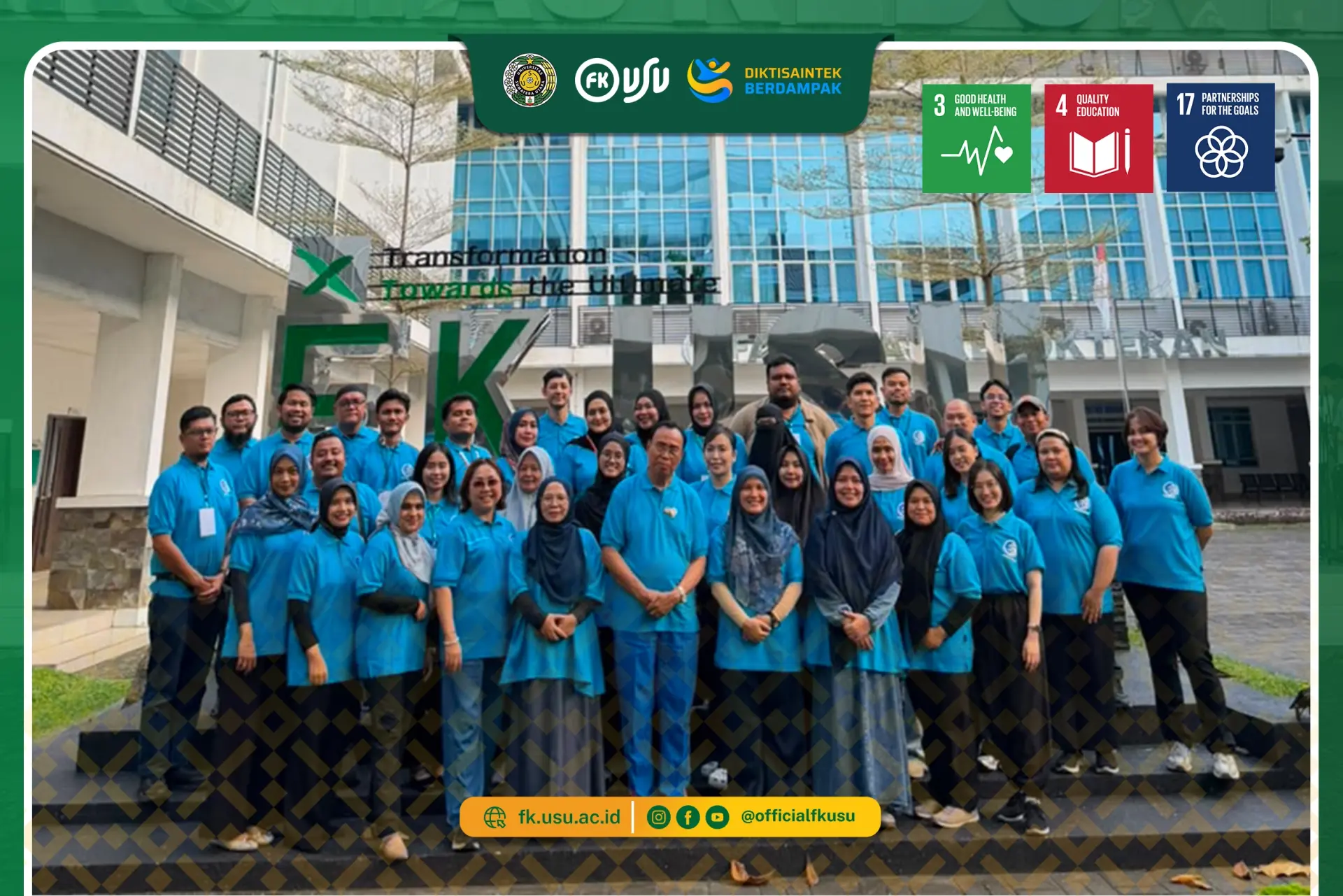
Medan, 9 August 2026 — Efforts to improve the quality of sports development while strengthening preventive approaches to health are being advanced through the Sports Physiology Specialist Training Program organized by the Indonesian Association of Sports Physiology Experts (PAIFORI) in collaboration with PT Wasistha Satoe Jiwa, with the Faculty of Medicine, Universitas Sumatera Utara (FK USU), serving as a program partner. The training was held from 6–9 August 2026 at the fourth-floor auditorium of FK USU.
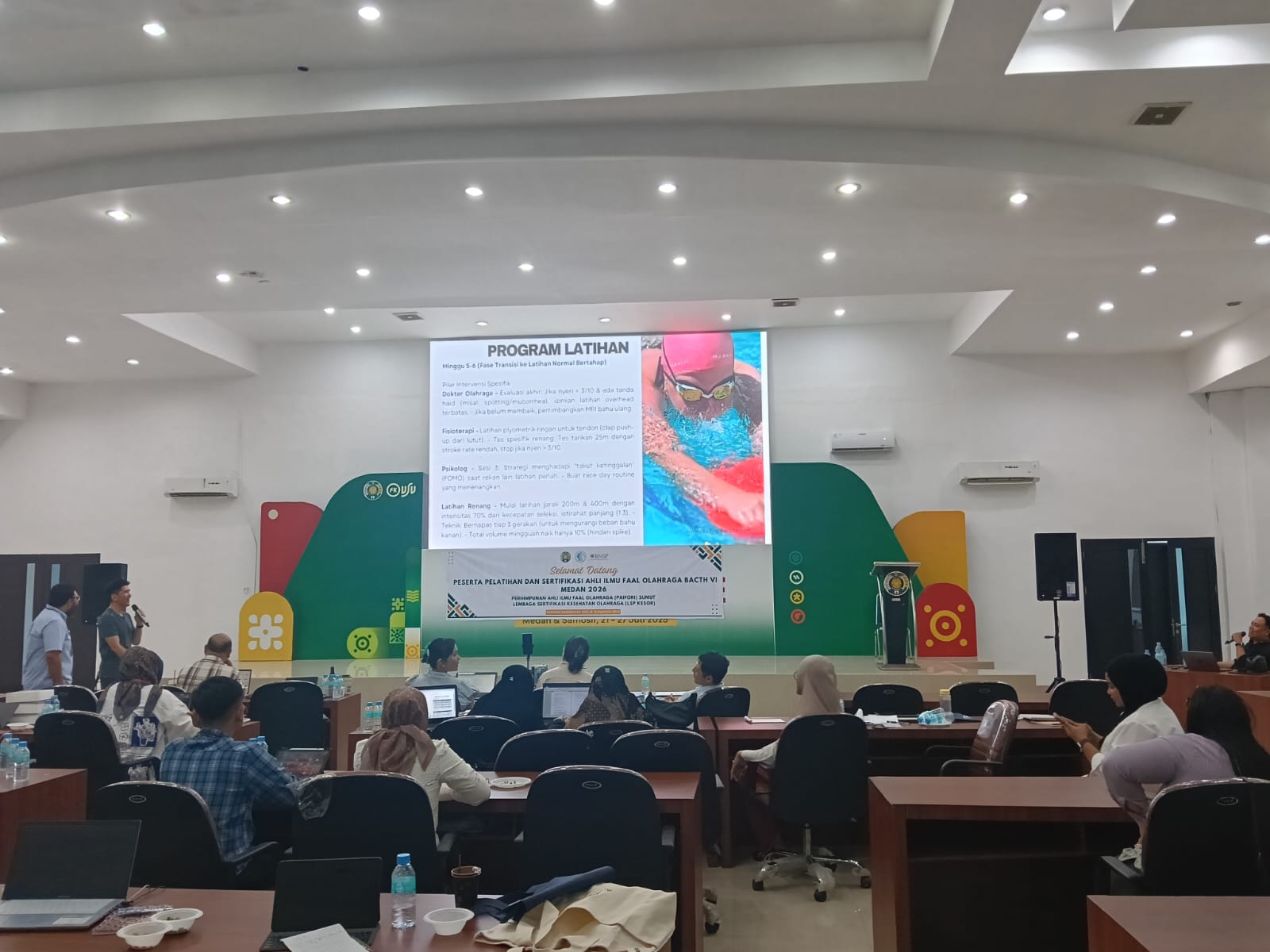
The program was designed to strengthen participants’ professional competencies in understanding and applying sports physiology to support athletic performance while helping prevent health risks and catastrophic diseases. This initiative aligns with SDG 3: Good Health and Well-Being, particularly by promoting disease prevention and improving quality of life through evidence-based health practices and appropriate physical activity.
The training brought together participants from diverse professional backgrounds, including general practitioners, dentists, specialist physicians, nurse anesthetists, acupuncturists, physiotherapists, academics, and sports practitioners. The diversity of participants highlights the importance of a multidisciplinary approach to sports health and performance, enabling knowledge of the body’s responses to physical activity to be applied comprehensively. This also supports SDG 4: Quality Education through professional competency development and lifelong learning in health and sports sciences.
Dr. dr. Yetty Machrina, M.Kes., Sp.KKLP., Subsp.FOMC., AIFO-K, Chair of PAIFORI North Sumatra and Head of the Department of Physiology at FK USU, emphasized the strategic role of sports physiology in ensuring that physical activity delivers optimal benefits without compromising safety.
“Sports physiology is not only about improving athletic performance, but also about understanding the body as a whole so that exercise can be carried out safely, measurably, and according to each individual’s capacity. Through this training, we hope participants can apply this knowledge in their respective professional practices,” Dr. Yetty said.
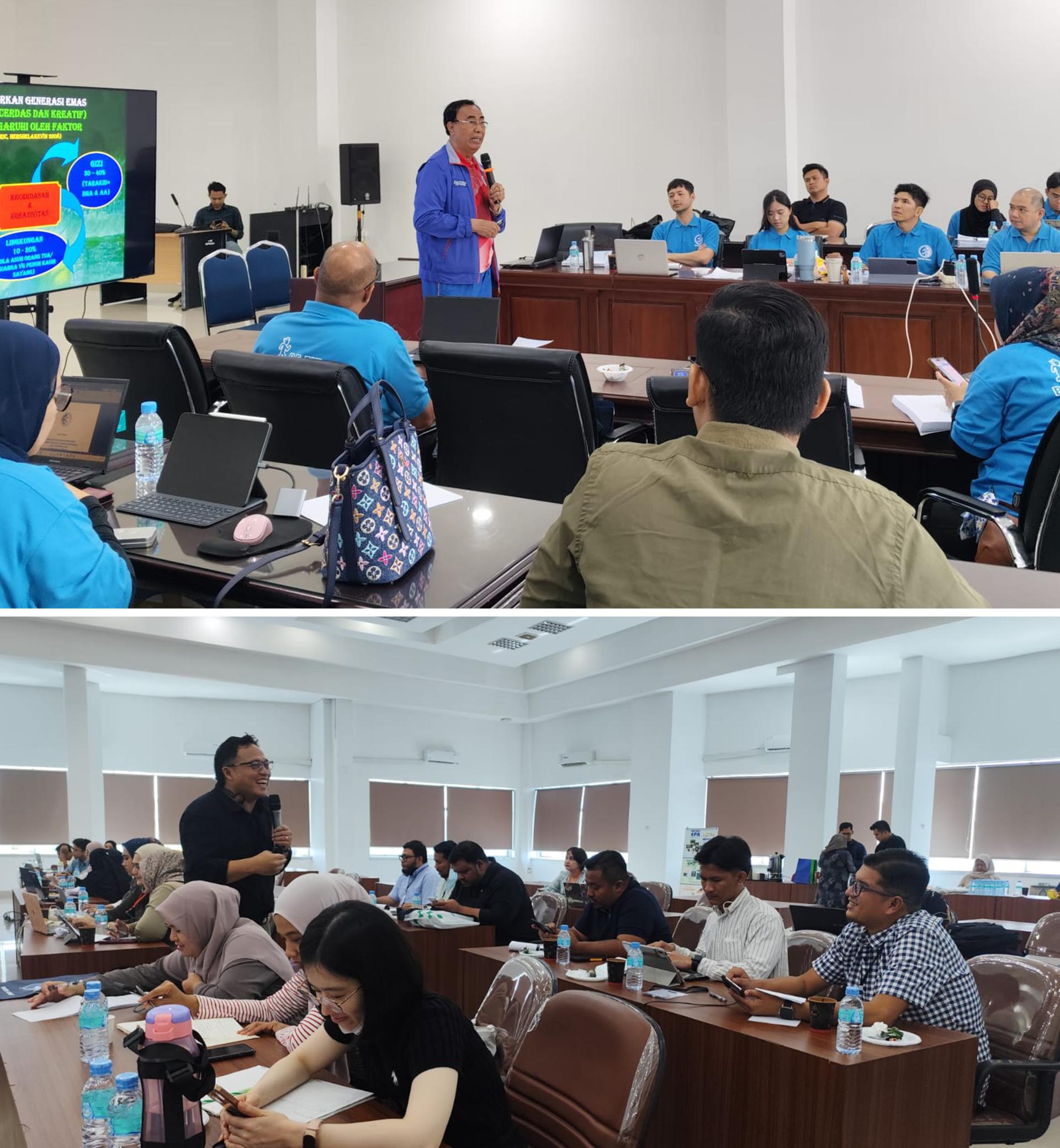
Meanwhile, Prof. Dr. dr. Ambrosius Purba, M.Kes., AIFO, Chair of the Central PAIFORI Board, underscored the importance of strengthening human resource capacity in advancing sports physiology in Indonesia.
“We need more professionals with expertise in sports physiology so that athlete development and physical activity can be guided by scientific approaches. This will allow performance to improve without compromising health and safety,” he said.
Strengthening professional competencies also contributes to SDG 3 and SDG 4, as professional education plays an important role in developing high-quality, evidence-based health services.
The program also highlighted the importance of collaboration among professional organizations, educational institutions, the private sector, and practitioners in developing a sustainable sports and health ecosystem. The partnership between PAIFORI, PT Wasistha Satoe Jiwa, and FK USU represents a concrete example of cross-sector collaboration to expand the application of sports physiology in Indonesia. This aligns with SDG 17: Partnerships for the Goals, which emphasizes the importance of collaboration in generating broader and more sustainable impact.
Through this training, FK USU continues to strengthen its role as a medical education institution that supports scientific advancement, professional competency development, and the application of health sciences for the benefit of society. The collaboration and capacity-building efforts are expected to contribute to the development of athletes who are healthier, safer, and more competitive, while also supporting efforts to prevent catastrophic diseases through science-based approaches.