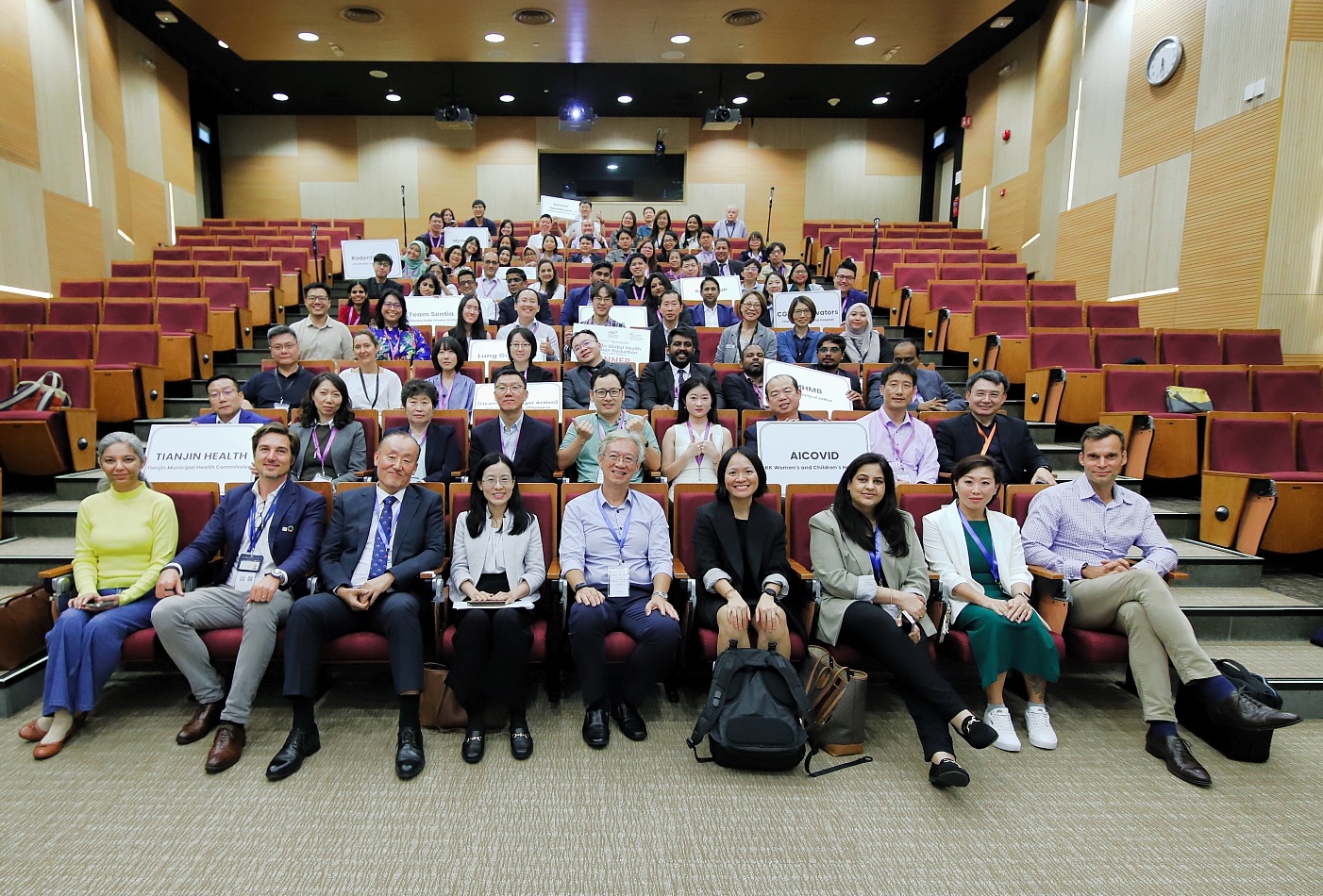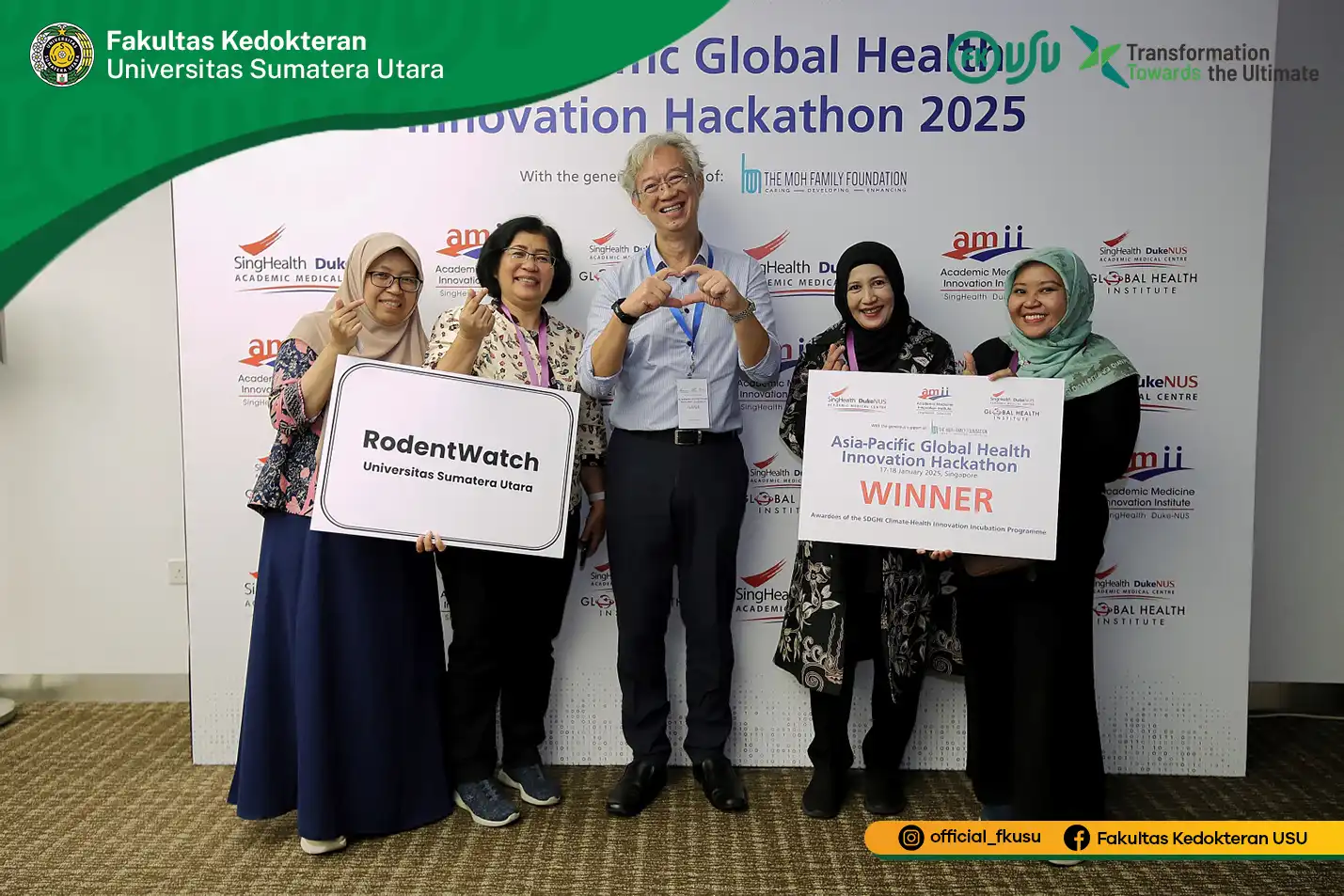
Singapore, January 22, 2025 – Three innovative teams comprising participants from Indonesia, Malaysia, Mongolia, and Thailand received three awards at the 2025 Asia-Pacific Global Health Innovation Hackathon, which was held for the first time in Singapore from January 17 to 18, 2025.
The event marked the inaugural edition of a unique initiative organized by the Office of International Collaboration under the SingHealth Duke-NUS Academic Medical Centre, together with the SingHealth Duke-NUS Academic Medicine Innovation Institute and the SingHealth Duke-NUS Global Health Institute. The hackathon brought together 16 dynamic teams from 13 markets across the Asia-Pacific region to develop innovative solutions to pressing health challenges.
Focusing on the intersection between health challenges and climate change, the hackathon encouraged participants to develop transformative and scalable solutions to some of the region’s most urgent health concerns. The initiative is closely aligned with Sustainable Development Goal (SDG) 3: Good Health and Well-being, particularly through the development of innovative approaches that support disease prevention, strengthen public health, and protect communities from emerging health risks.
One of the participating teams was RodentWatch, an Indonesian team led by dr. Sunna Vyatra Hutagalung, M.S., Ph.D. from the Faculty of Medicine, Universitas Sumatera Utara. The RodentWatch team presented an innovative platform that provides real-time surveillance data and generates risk maps to identify areas of concern associated with rodent infestations and rodent-borne diseases.
The platform is designed to support targeted public information and facilitate timely interventions to help protect communities. The RodentWatch innovation is also closely connected to SDG 13: Climate Action, as climate change can affect ecosystems, the distribution of disease-carrying animals and vectors, and the emergence of various public health risks. Data-driven technology can play an important role in strengthening preparedness and response to health impacts associated with environmental changes.
The first Asia-Pacific hackathon of its kind was made possible through the generous support of The Moh Family Foundation. Beyond serving as a platform for competition and innovation, the event also sought to initiate the development of a regional network of innovators working at the intersection of climate and health.
The cross-border collaboration fostered through the event also supports SDG 17: Partnerships for the Goals, particularly by strengthening international partnerships, knowledge exchange, and collaborative innovation to develop sustainable solutions. The emerging regional network is expected to grow further and advocate for the urgent need for innovative solutions capable of mitigating and managing the adverse health impacts of climate change across the Asia-Pacific region.