


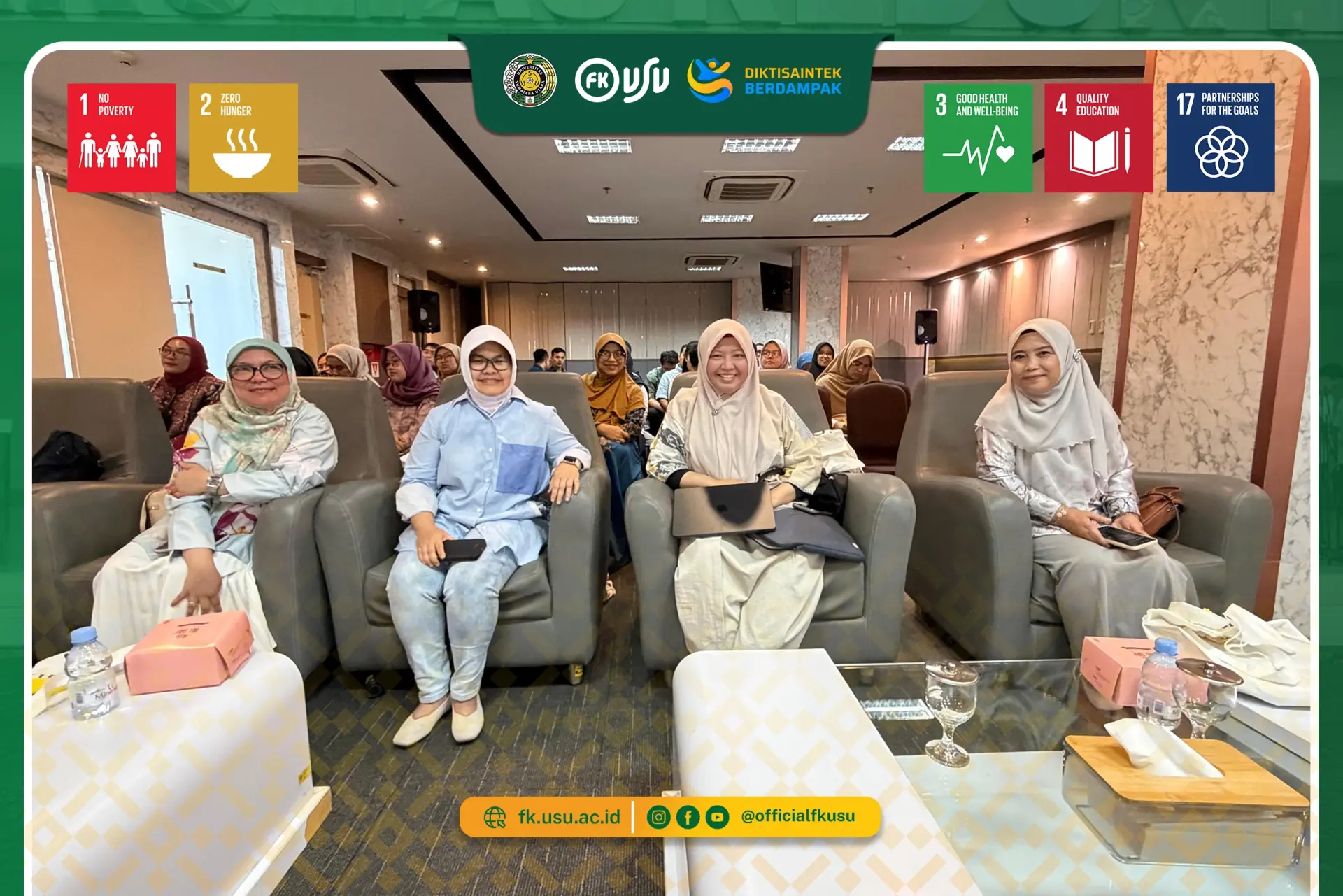
On July 11, 2026, the Department of Pediatrics, Faculty of Medicine, Universitas Sumatera Utara (FK USU), once again demonstrated its commitment to improving the quality of pediatric healthcare by organizing the Workshop on Nutritional Management for Preterm Infants and Infants with Diarrhea. The workshop was held at Graha Prodi, Medan.
The workshop was designed to serve as an academic learning platform for healthcare professionals to update their knowledge and skills in delivering appropriate, effective, and evidence-based nutritional management for infants who are at high risk of growth and developmental disorders.
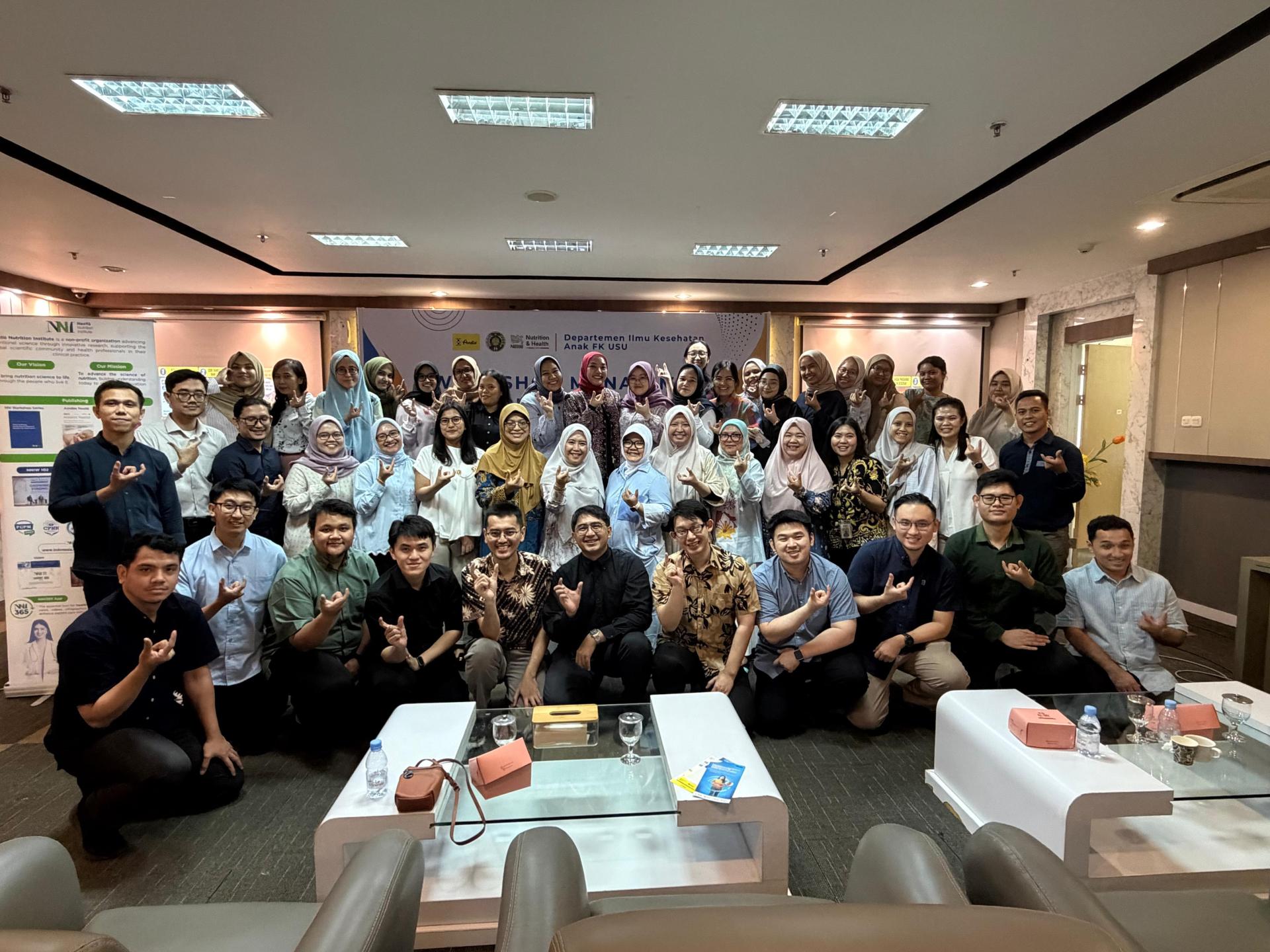
In addition to strengthening clinical competencies, the workshop provided a valuable forum for knowledge sharing and interactive discussions among academics, pediatricians, healthcare professionals, and participants from various healthcare institutions.
The organization of this workshop reflects the Department of Pediatrics' commitment to enhancing the capacity of healthcare professionals. By equipping healthcare providers with up-to-date competencies, the department aims to improve the quality of care for infants—particularly preterm infants and those experiencing nutritional disorders due to diarrhea—thereby reducing the risks of complications, malnutrition, and stunting from an early stage of life.
Beyond serving as an academic event, the workshop also represents FK USU's tangible contribution to achieving the Sustainable Development Goals (SDGs). Efforts to improve infant nutrition support SDG 1 (No Poverty) by reducing the economic burden on families caused by illness and malnutrition, SDG 2 (Zero Hunger) by promoting optimal nutrition from the earliest stages of life, SDG 3 (Good Health and Well-being) by improving maternal and child health outcomes, and SDG 4 (Quality Education) by strengthening healthcare professionals' competencies through continuing professional education.
Furthermore, the workshop reinforces SDG 17 (Partnerships for the Goals) by fostering collaboration among academics, clinicians, teaching hospitals, and healthcare institutions to build a more innovative, high-quality, and sustainable pediatric healthcare system.