


The Specialist-1 Program in Forensic Medicine and Medicolegal Studies of Universitas Sumatera Utara (USU) is a study program that studies specialized medical skills focusing on teaching forensic medicine or medical jurisprudence. Established in 1982, this study program is staffed with individuals strongly committed to running a learning program with an integrated curriculum. You are expected to become a future forensic expert with extensive knowledge as well as good skills and attitudes so as to understand and solve health problems scientifically and prioritize empathy for society and the country.
This study program has delivered many forensic scientists, chemical analysts, and forensic experts to the judiciary. With a long history and brilliant achievements, the Specialist-1 Program in Forensic Medicine and Medicolegal Studies of USU will continue to be committed to forming prospective forensic experts who are qualified and empathetic in public and state health services. Students who have completed this study program will hold the Forensic and Medicolegal Specialist (Sp.F.M.) degree.


History
Vision & Mission
The vision of the Study Program in Forensic Medicine and Medicolegal Studies is to "Become a Center of Excellence in Specialist Education in Forensic Medicine and Medicolegal Studies that is high-quality, reputable, and globally competitive in Clinical Forensics and Forensic Pathology by 2024."
- To organize high-quality and reputable education in clinical forensics and forensic pathology.
- To conduct and develop research and scientific publications that are competitive at the national and international levels.
- To provide services and community engagement to enhance public knowledge of forensic medicine and medicolegal studies while fostering collaborations with domestic and international institutions.
- To improve and expand facilities, infrastructure, and advancements in science to support education, research, and community service activities in achieving the program’s vision.
Goals & Targets
- Master the latest developments in forensic medicine and medicolegal studies.
- Possess the skills to manage forensic and medicolegal cases, particularly in Clinical Forensics and Forensic Pathology.
- Advance forensic medicine and medicolegal studies through research in Clinical Forensics and Forensic Pathology.
- Publish scientific research in accredited national or reputable international journals.
- Collaborate in multidisciplinary teams to deliver health services and community service comprehensively.
- Provide specialist services leveraging the latest technological advancements.
Organization Structure
 dr. Adriansyah Lubis M.Kes, M.Ked(For), Sp.FM
Head Of Program Studi Sp-1 Ilmu Kedokteran Forensik
dr. Adriansyah Lubis M.Kes, M.Ked(For), Sp.FM
Head Of Program Studi Sp-1 Ilmu Kedokteran Forensik
 dr. Doaris Ingrid Marbun M. Ked(For), Sp.F
Secretary Of
Program Studi Sp-1 Ilmu Kedokteran Forensik
dr. Doaris Ingrid Marbun M. Ked(For), Sp.F
Secretary Of
Program Studi Sp-1 Ilmu Kedokteran Forensik
 Dr. dr. Asan Petrus M.Ked(For)., Sp.F
Head of the Program Studi Sp-1 Ilmu Kedokteran Forensik
Dr. dr. Asan Petrus M.Ked(For)., Sp.F
Head of the Program Studi Sp-1 Ilmu Kedokteran Forensik
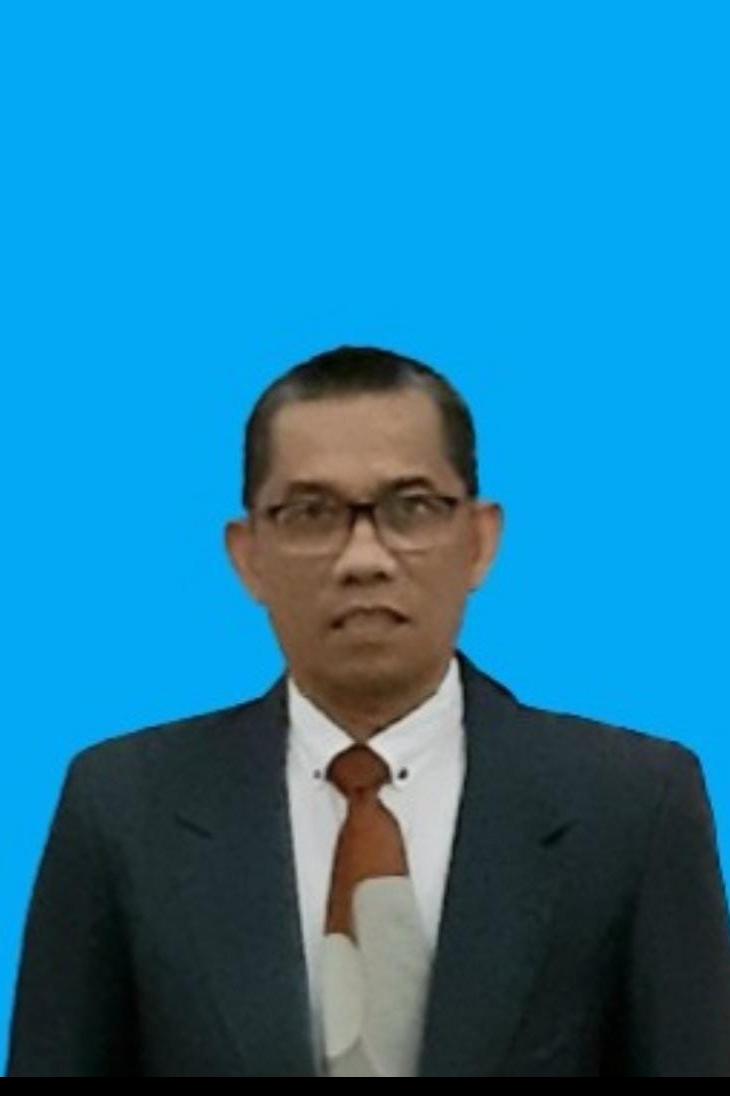 dr. Agustinus Sitepu M.Ked(For)., Sp.F
Program Studi Sp-1 Ilmu Kedokteran Forensik
dr. Agustinus Sitepu M.Ked(For)., Sp.F
Program Studi Sp-1 Ilmu Kedokteran Forensik
 dr. Netty Herawati M.Ked(For), Sp.F
Program Studi Sp-1 Ilmu Kedokteran Forensik
dr. Netty Herawati M.Ked(For), Sp.F
Program Studi Sp-1 Ilmu Kedokteran Forensik