


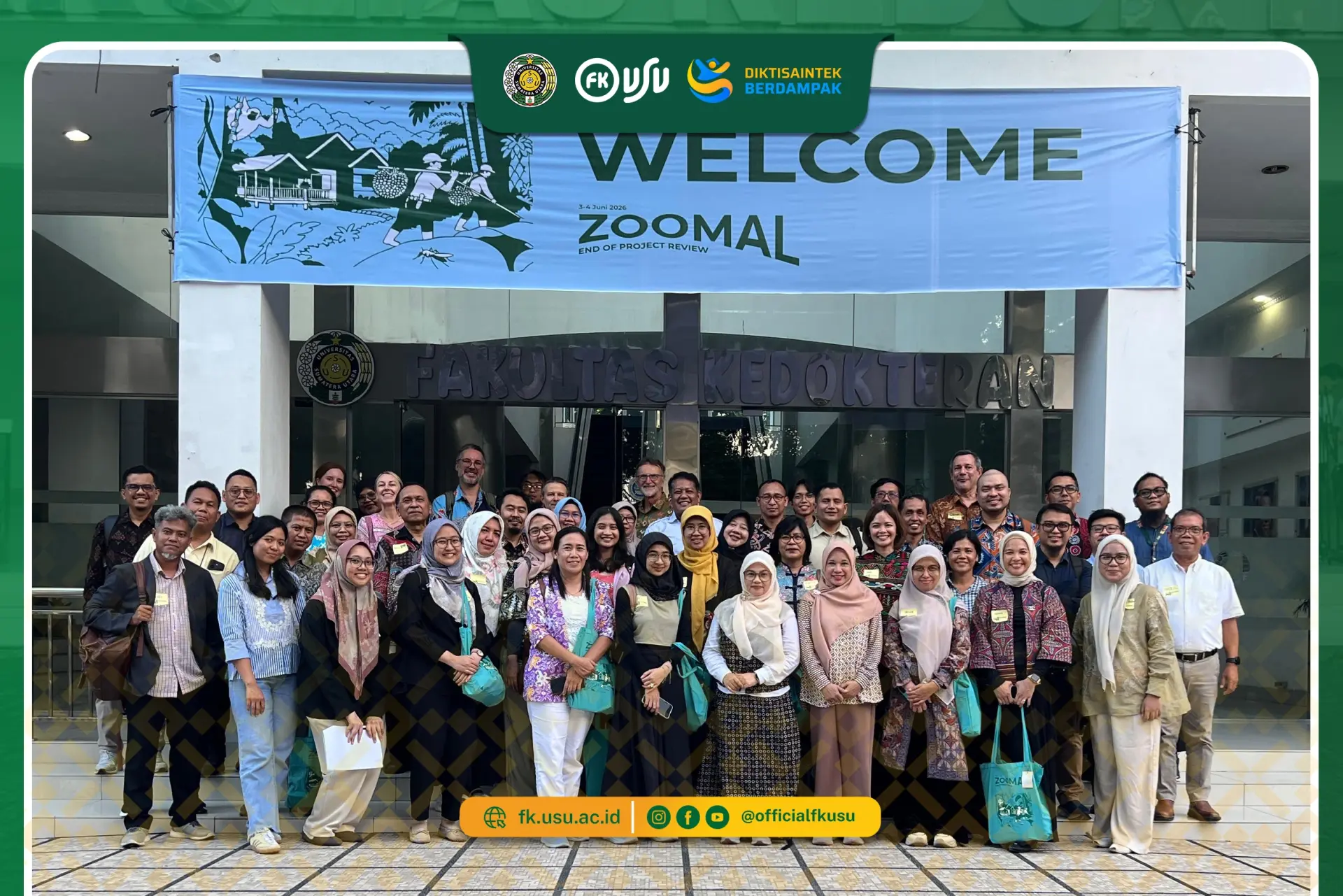
The Faculty of Medicine, Universitas Sumatera Utara (USU), once again demonstrated its commitment to being an impactful campus by implementing international research collaborations in global health. On 3–4 June 2026, the Faculty of Medicine USU hosted the Zoomal Project Meeting 2026, an annual gathering that brought together researchers, academics, and stakeholders from various countries to discuss the progress of zoonotic malaria research in Indonesia. The event was conducted in a hybrid format.
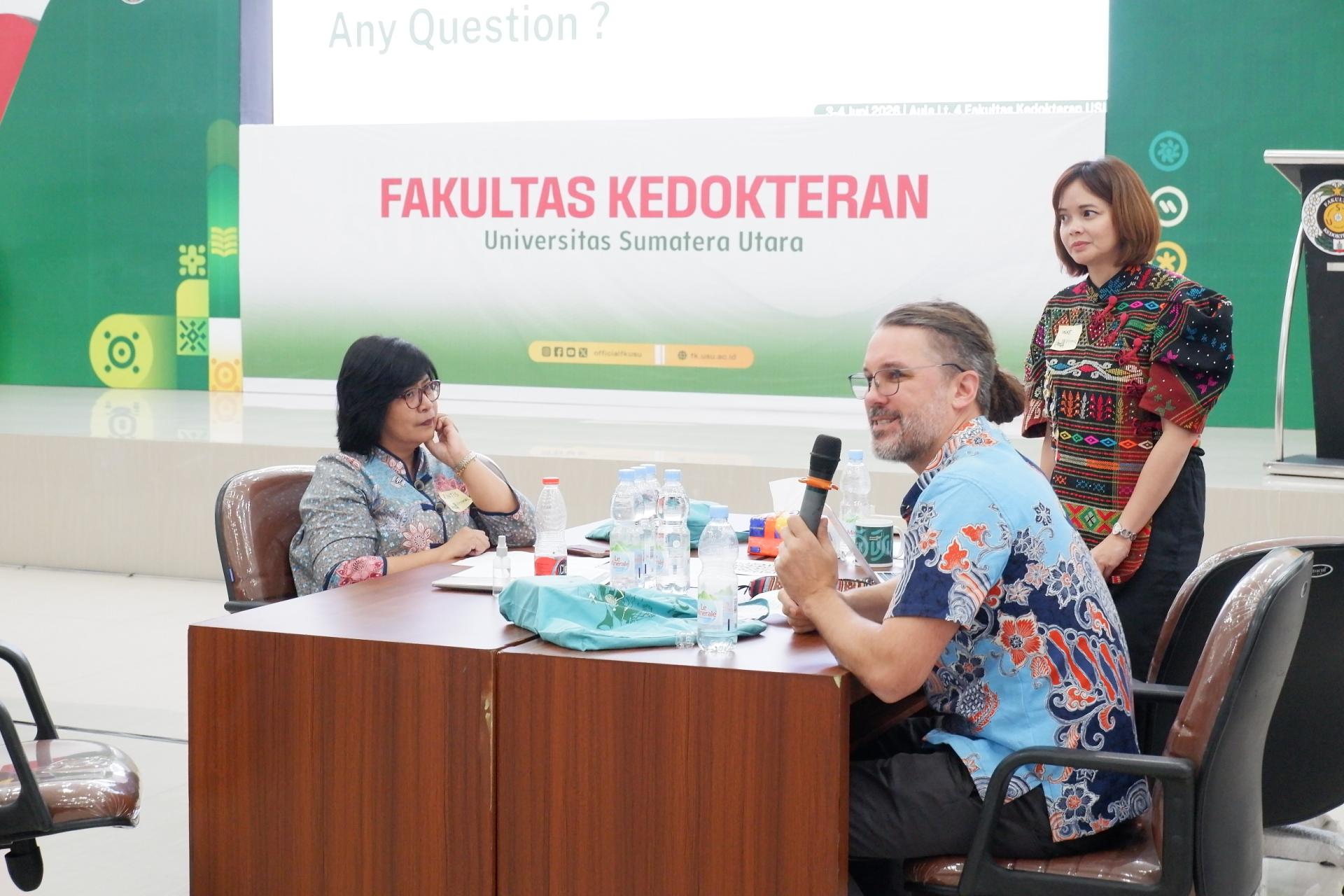
The Zoomal Project is an international collaborative research initiative that has been running since 2019 and is scheduled to conclude in 2026. The project is funded by international donors and led by Prof. Matthew J. Grigg of the Menzies School of Health Research, Australia, together with Dr. Inke Nadia D. Lubis, PGDip PID, FAAET, M.Ked(Ped), Sp. A(K)., Ph.D., from the Faculty of Medicine, Universitas Sumatera Utara, who serves as the principal investigator for Indonesia. The project's primary focus is to understand the transmission dynamics of zoonotic malaria, a form of malaria transmitted from animals to humans, which has emerged as a significant public health challenge in Southeast Asia, including Indonesia.
However, the contribution of the Zoomal Project extends beyond research activities. Throughout its seven years of implementation, the project has generated broad impacts through various capacity-building initiatives for healthcare professionals, human resource development, laboratory capacity enhancement, and community empowerment programs in the research areas.
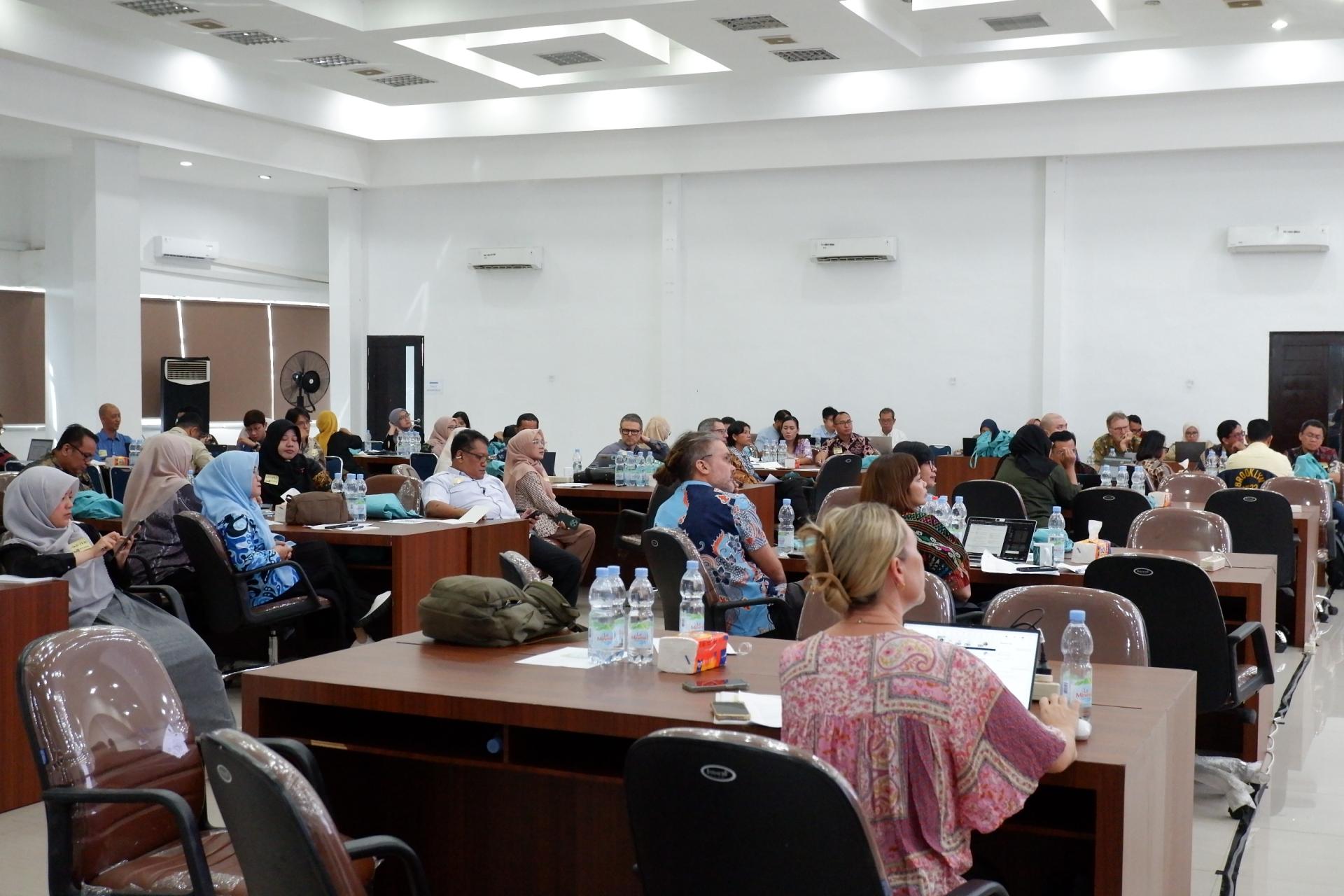
The Zoomal Project Meeting 2026 was held to showcase the achievements attained throughout the project, evaluate completed activities, and develop strategies and follow-up plans ahead of the project’s conclusion in 2026. The meeting served as an important platform for sharing knowledge, experiences, and research outcomes that have contributed to zoonotic malaria control efforts in Indonesia.
The event was attended by approximately 100 participants, including national and international researchers, academics, and representatives from government institutions and partner organizations. International participants came from leading institutions such as the Menzies School of Health Research, James Cook University, The University of Western Australia, The University of Melbourne, and the University of Augsburg. Representatives from several international organizations were also present, including the Oxford University Clinical Research Unit (OUCRU), the Indo-Pacific Centre for Health Security, the Walter and Eliza Hall Institute (WEHI), the Commonwealth Scientific and Industrial Research Organisation (CSIRO), and the Exeins Health Initiative (EHI).
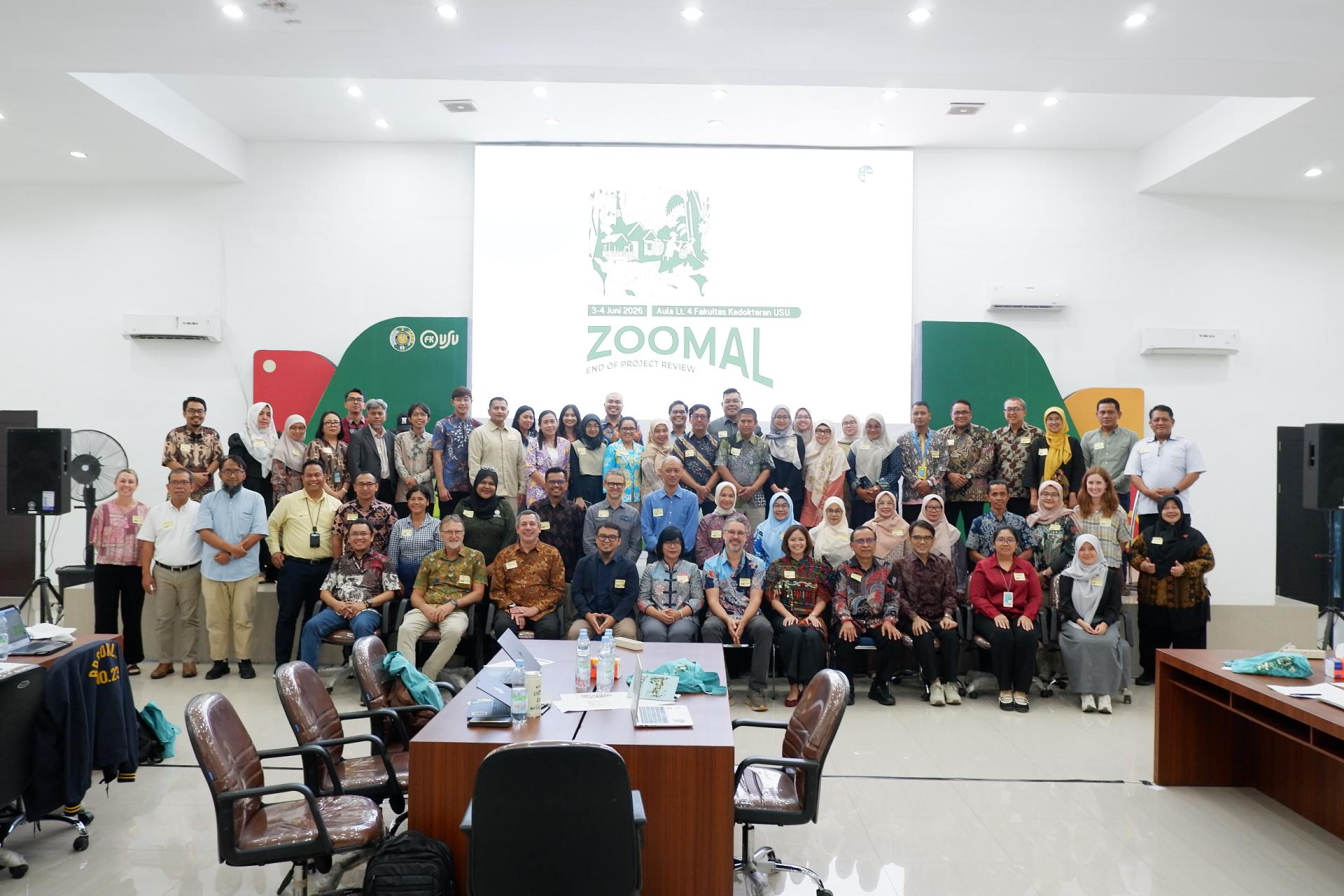
From Indonesia, participants included researchers and representatives from Universitas Sumatera Utara, Universitas Andalas, the National Research and Innovation Agency (BRIN), the Ministry of Health of the Republic of Indonesia, the Ministry of Forestry of the Republic of Indonesia, as well as various regional government offices and related agencies, particularly from North Sumatra and North Kalimantan Provinces.
Over the two-day meeting, activities proceeded smoothly and were met with great enthusiasm. Participants actively engaged in discussions, provided valuable input, and exchanged experiences regarding the challenges and opportunities in controlling zoonotic diseases. Beyond serving as a forum for presenting research findings, the Zoomal Project Meeting also functioned as a platform for cross-sector collaboration, bringing together diverse stakeholders under the One Health approach, which integrates human, animal, and environmental health.
Through this meeting, the Faculty of Medicine USU and all project partners hope to strengthen further cross-sector coordination and collaboration in implementing the One Health concept in Indonesia. The partnerships established are expected to support more effective zoonotic disease control efforts, particularly for zoonotic malaria, while also generating evidence-based policies and interventions that provide tangible benefits to public health.
As one of the higher education institutions actively engaged in international research networks, the Faculty of Medicine USU remains committed to producing research that not only contributes to the advancement of scientific knowledge but also delivers meaningful impacts on society, health development, and the achievement of global health goals.