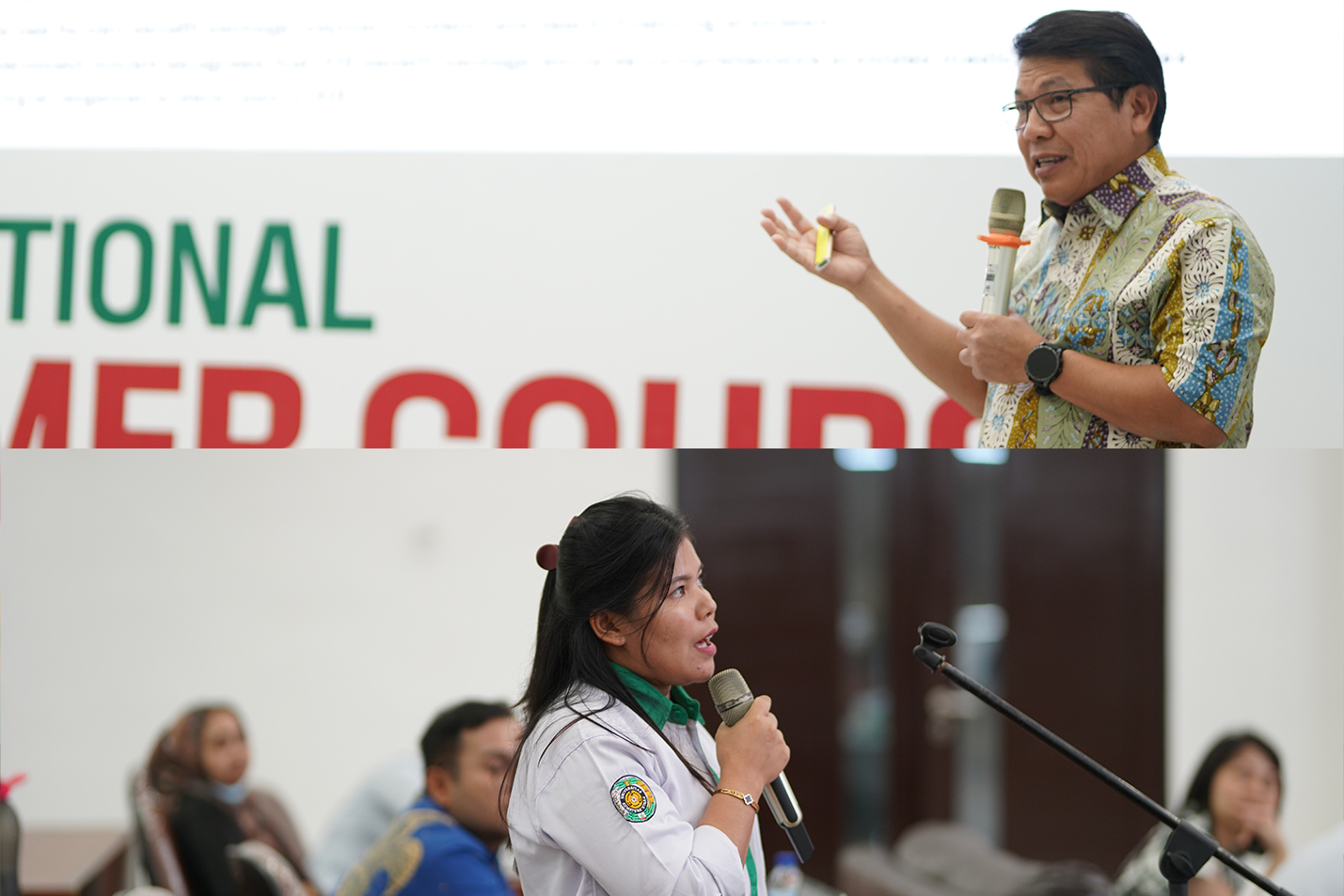
Monday, July 21, 2025 – The Faculty of Medicine, Universitas Sumatera Utara (USU) officially opened the 2025 International Summer Course themed “Bridging Global Health Gaps: Stronger Systems, Healthier Lives”, held in Medan and Samosir. This program results from a collaboration between the Faculty of Medicine USU and the SingHealth Duke-NUS Global Health Institute (SDGHI).
The event attracted 165 registered participants from various countries and featured speakers from overseas, the Ministry of the Republic of Indonesia, and Universitas Sumatera Utara. The International Summer Course is expected to serve as a strategic step for the Faculty of Medicine USU in expanding its international network and strengthening its active contribution to addressing global health system inequalities.
Today’s world faces increasingly complex health challenges. These include disparities in access to healthcare, unequal distribution of resources, and limited preparedness in dealing with global crises such as pandemics. Therefore, this year’s International Summer Course theme is considered highly relevant, given its urgency in linking global health challenges with inclusive and sustainable solutions.
In his opening remarks, Dean of the Faculty of Medicine USU, Prof. Dr. dr. Aldy Safruddin Rambe, Sp.S(K)., expressed his appreciation for the participants’ involvement and highlighted the importance of cross-country collaboration.
“This Summer Course is not just an ordinary academic activity, but also a bridge for cross-cultural understanding and health systems. We want participants to learn from each other, share experiences, and work together to build a stronger and fairer global health system,” he said.
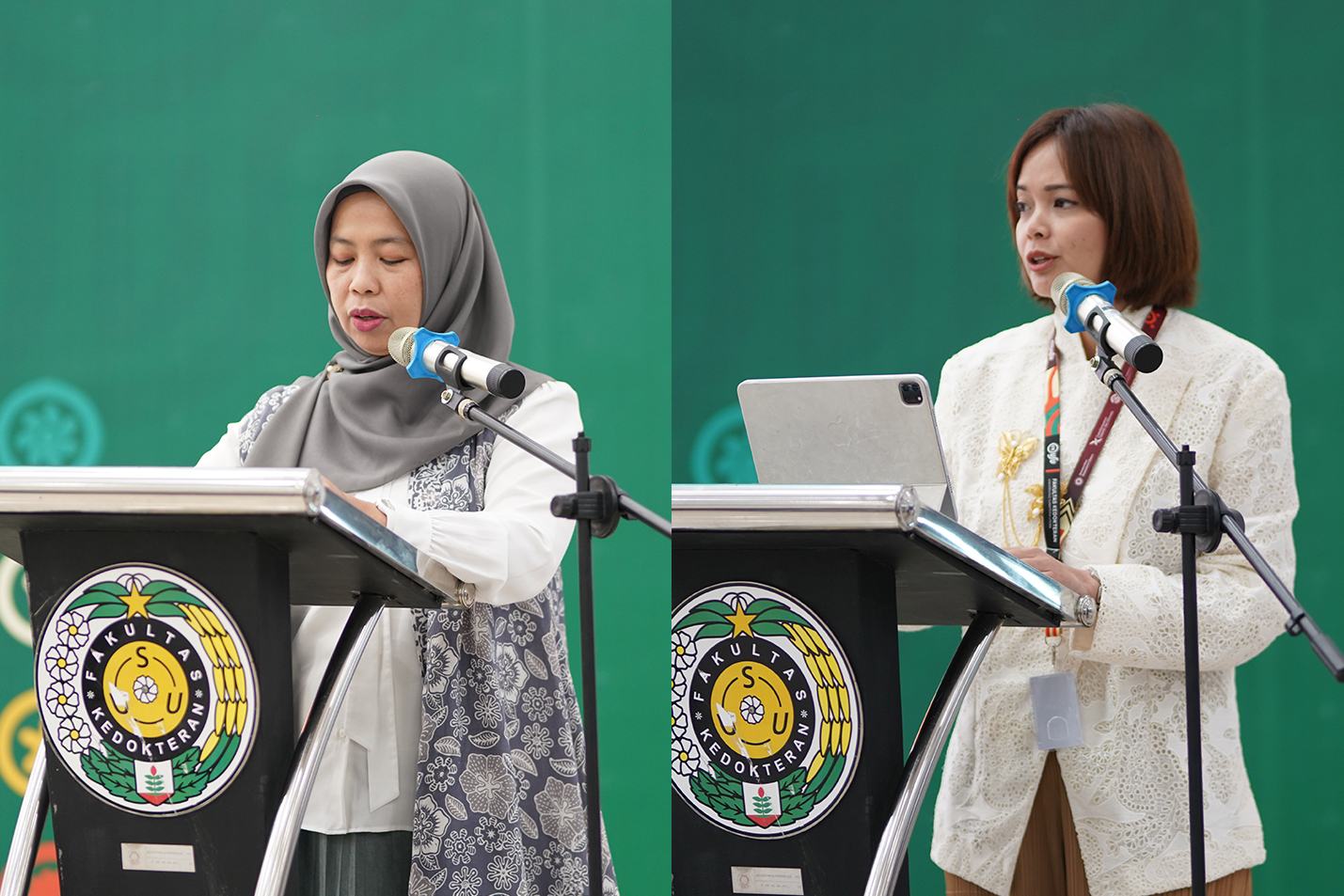
Prof. Dr. Poppy Anjelisa Zaitun Hasibuan, S.Si., M.Si., Apt., Vice Rector III of Universitas Sumatera Utara, emphasized that the program is a tangible manifestation of the university’s commitment to building a more collaborative and internationally oriented global health organization. She believes a resilient health system must be grounded in humanitarian values and a commitment to equity. Prof. Poppy also hoped that participants could explore healthcare systems from different countries while building networks to strengthen future collaborations.
The Course Director of the International Summer Course, dr. Inke Nadia D. Lubis, PGDip PID., M.Ked(Ped)., Sp.A., Ph.D., stated that the program can serve as a platform for reflection, collaboration, and solidarity. In this forum, professionals, academics, and students from diverse backgrounds can exchange ideas to support the development of inclusive and sustainable health systems. Dr. Inke also expressed her hope that the collaboration could continue and expand to the provincial and district levels. She emphasized that health challenges require contributions from various sectors, not just medicine; therefore, this summer course involves participants from multiple disciplines as part of a joint strengthening effort.
The 2025 Summer Course concluded with a Community Service activity in Ambarita Village, Samosir. The activity focused on TB screening at the Ambarita Health Center, followed by home visits conducted by several participants who were divided into groups and accompanied by tutors to meet with residents.